Top 10 ways to make your venue more accessible

Taking steps to make your venue more accessible is beneficial to everyone – from shops trying to increase sales to attractions aiming to increase footfall; and from wheelchair users to young parents out and about with prams. Here are some top tips for making your venue as accessible to as many people as possible.

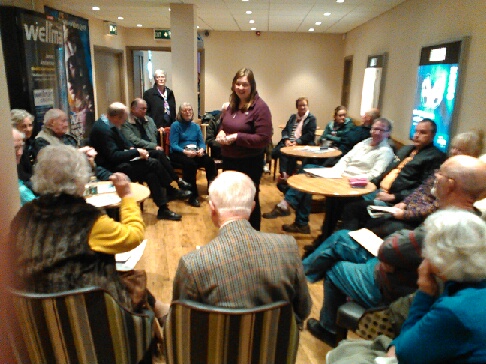
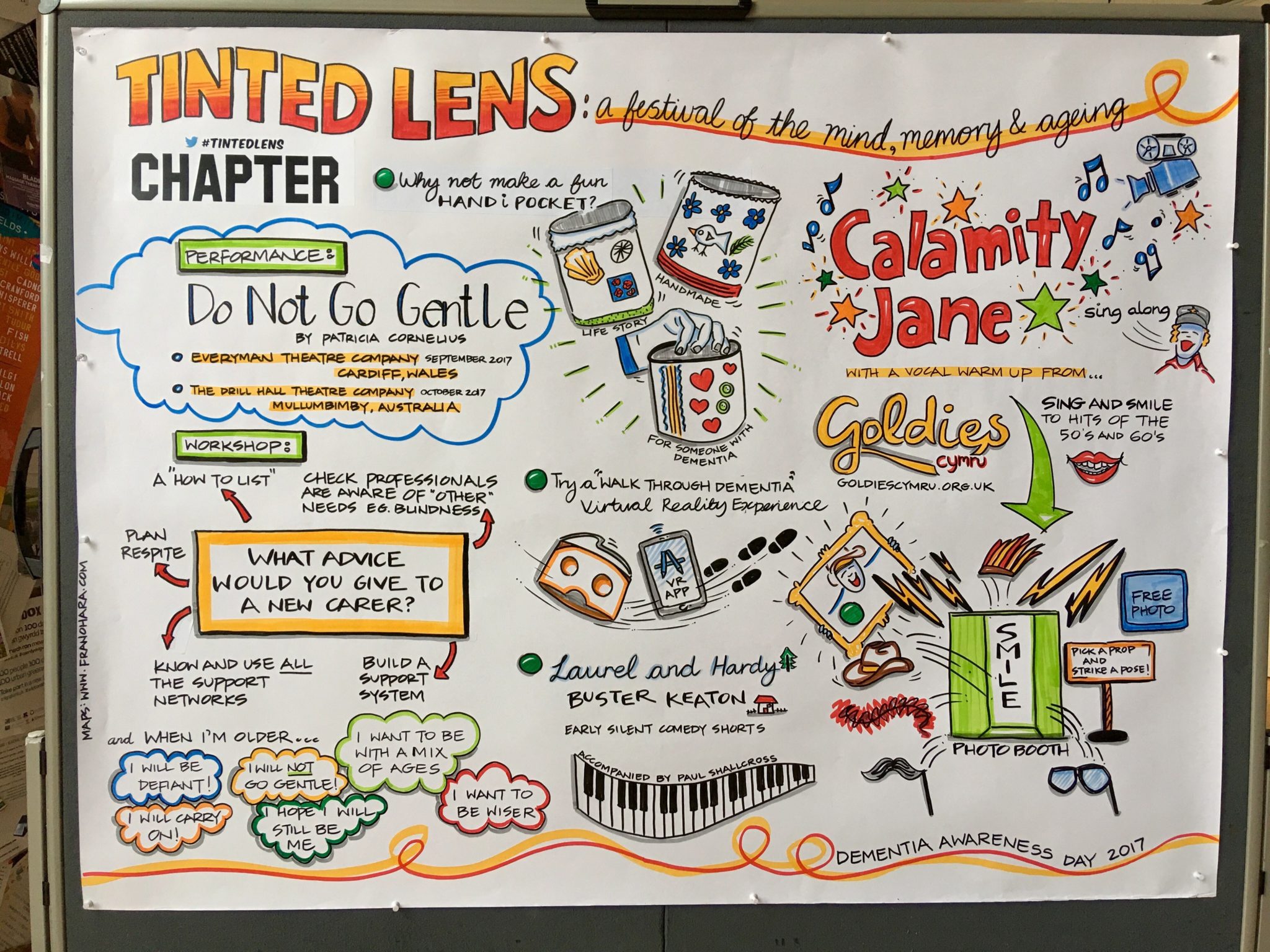
People affected by dementia often have to give up the things they love due to inaccessible and unsupportive environments. This includes visiting a cinema.

Cinemas have an important part to play in tackling the social and economic impact of dementia, by allowing people living with dementia to continue to participate in entertainment. Our new cinema guide, produced in collaboration with Alzheimer’s Society and UK Cinema Association, is designed to help cinemas improve their accessibility and become more dementia-friendly.

People living with dementia should be able to live the life they want to lead in their communities, irrespective of their condition. This will only be achieved with greater awareness, understanding, and support for those impacted by dementia. Becoming a dementia-friendly organisation means providing the opportunities to help every person with dementia continue to do the things they want to do and cinemas are central to this aim.

From your first family trip to the big screen to seeing the latest blockbusters with friends as a teenager, film is an immersive experience which can leave a profound and lasting impact on an individual. It can promote activity and stimulation of the mind; be an important tool for reminiscence, and is often associated with relaxation, engagement and, above all, enjoyment. By developing an understanding of dementia, cinemas can make a huge difference to people living with dementia.

This guide gives best practice advice on how to run dementia-friendly screenings and shares successful case studies from organisations already running. It aims to spread awareness of dementia-friendly screenings and encourages cinemas of all sizes to get involved.

We have also prepared a dementia friendly survey to assist with gathering data at your screenings.

Access the guide, along with further resources in the downloads section.

Jo attended Opening our Doors: Inclusive Cinema in Glasgow 2019 to run a workshop on marketing diverse titles for audiences.

“One of things I enjoy most about working on grassroots and outreach marketing on film projects is the sheer diversity of campaigns you can be involved with as well as the creative freedom you can exercise on the below the line activity associated with these projects.

“As cinemas, community cinemas or festivals its imperative you treat grassroots/outreach marketing as an integral part of your audience development programme – you’ll need to nurture and cultivate these relationships over time.

“Look at your programme at a whole and find the common links between films  – look at I, Daniel Blake and Nae Pasaran! for instance, there is definitely a crossover in terms of the politics or looking at young empowered female led films like Patti Cake$ and Skate Kitchen. Be as strategic as you can with your programming.

“Organisations and individuals you engage with will become your ambassadors and champions so its important you keep the conversations with them going even during your quieter periods or between events.

“Also as local organisations you’re a unique position to understand the sensitivities and culture of your community, this is a massive advantage – think of all the knowledge you have and how it can be best used!”

Top 10 Tips

  1. Start with a SWOT – identify strengths, weaknesses, opportunities and threats for your upcoming film programme and events.
  1. Positioning – think about how are you positioning your films and events, does it ‘speak’ to your audience?
  1. Identify your audience – customers are only loyal to brands up to a certain point, don’t make the assumption they will come to your venue, engage, engage, engage!
  1. Assets – distributors spend budget on creating sharable assets for social, make sure to keep in touch with them to get up to date content to keep your messaging to audiences fresh!
  1. Data – depending on your CRM/Box Office system can you analyse your audiences by what they watch? If so, do you have permission to contact them (GDPR!) or do you have specific mailing lists e.g.; opera/ballet or kids season.
  1. Outreach – film releases can be so singular but try to identify common themes in your programme line up well ahead of time, e.g. youth audiences, political audiences and build a relationship with these audiences – how do they ‘consume’ their news?
  1. Partnerships – look at recent release of Nae Pasaran!, this film had a ton of support from local union branches, which created audiences (and demand!) for the film ahead of its release.
  1. Research – find out who your audience are with exit polls, not only is it an opportunity to get some key demographics on them but also to find out how they interact with your brand plus get them signed up to your mailing lists. (TIP: Have chocolates on hand for gentle coercion!)
  1. Eventise – not everyone likes Q&A panels, Patti Cake$ had battle raps and spoken word sessions on its opening night.
  1. Think outside the box – creativity sparks ideas, could you run a ‘strategy hack’ with all staff and your youth reps? Could the distributor provide financial support for some one off activity – Tyneside Cinema had a fire-eater for the release of The Girl Who Played with Fire.

Mental Health Toolkit for Employers

The ambition of this toolkit is to help your organisation – whether business, public sector or charitable – support the mental health and wellbeing of your employees. It will help you take positive actions to build a culture that champions good mental health and provide a greater understanding for how to help those who need more support.

[VID] How to engage new young audiences in experiencing theatre

To encourage new young audiences to experience theatre, the Arts Council’s A Night Less Ordinary scheme in association with Metro offered over half a million (618,000) free theatre tickets to anyone under 26 at more than 200 venues throughout England. In this video Jane Finnis, Culture 24, Jake Orr, www.ayoungertheatre.com, Susan Whiddington, Mousetrap Theatre Projects … More

Building a culture of youth engagement

‘Youth voice’ and ‘youth participation’ has been a growing movement in a number of sectors for a long time. But the phrase ‘youth engagement’ is often overused and misunderstood. Effective youth engagement is one of the most critical priorities for organisations working with young people. With everyone keen to ‘do it’, many are considering how … More

Fundraising Fundamentals

Whether you’re just starting out in fundraising or you simply want a refresher of the basics, this toolkit will help you put the foundations in place for an effective fundraising strategy.