Crowdfunder – fundraise from the people around you
“Together, we’ve raised over £60 million for projects tackling some of society’s most important challenges.”


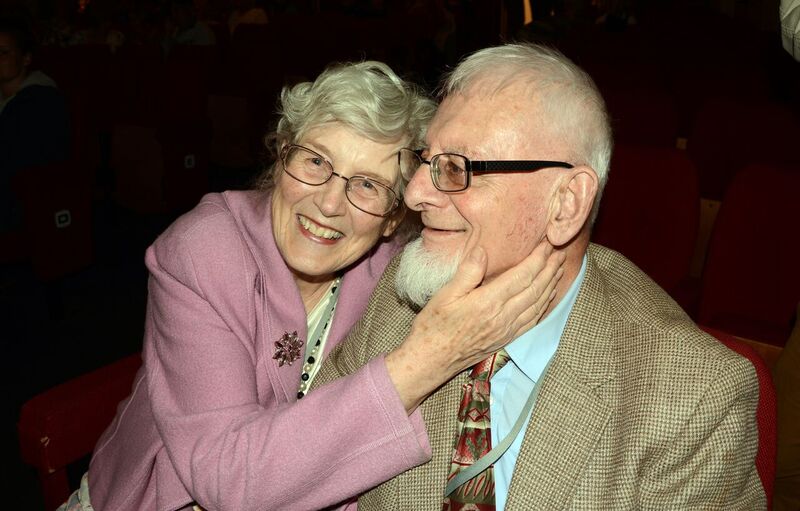
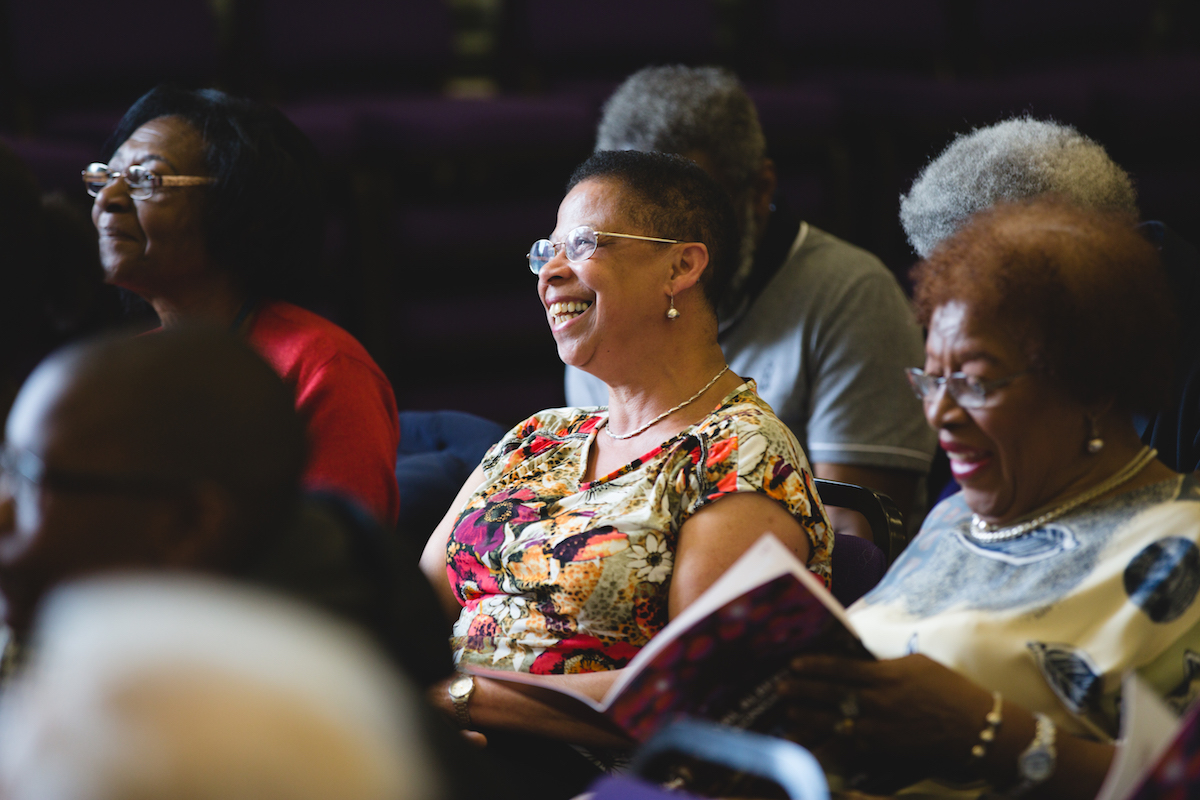
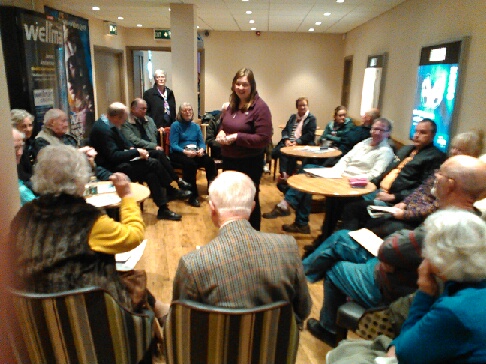
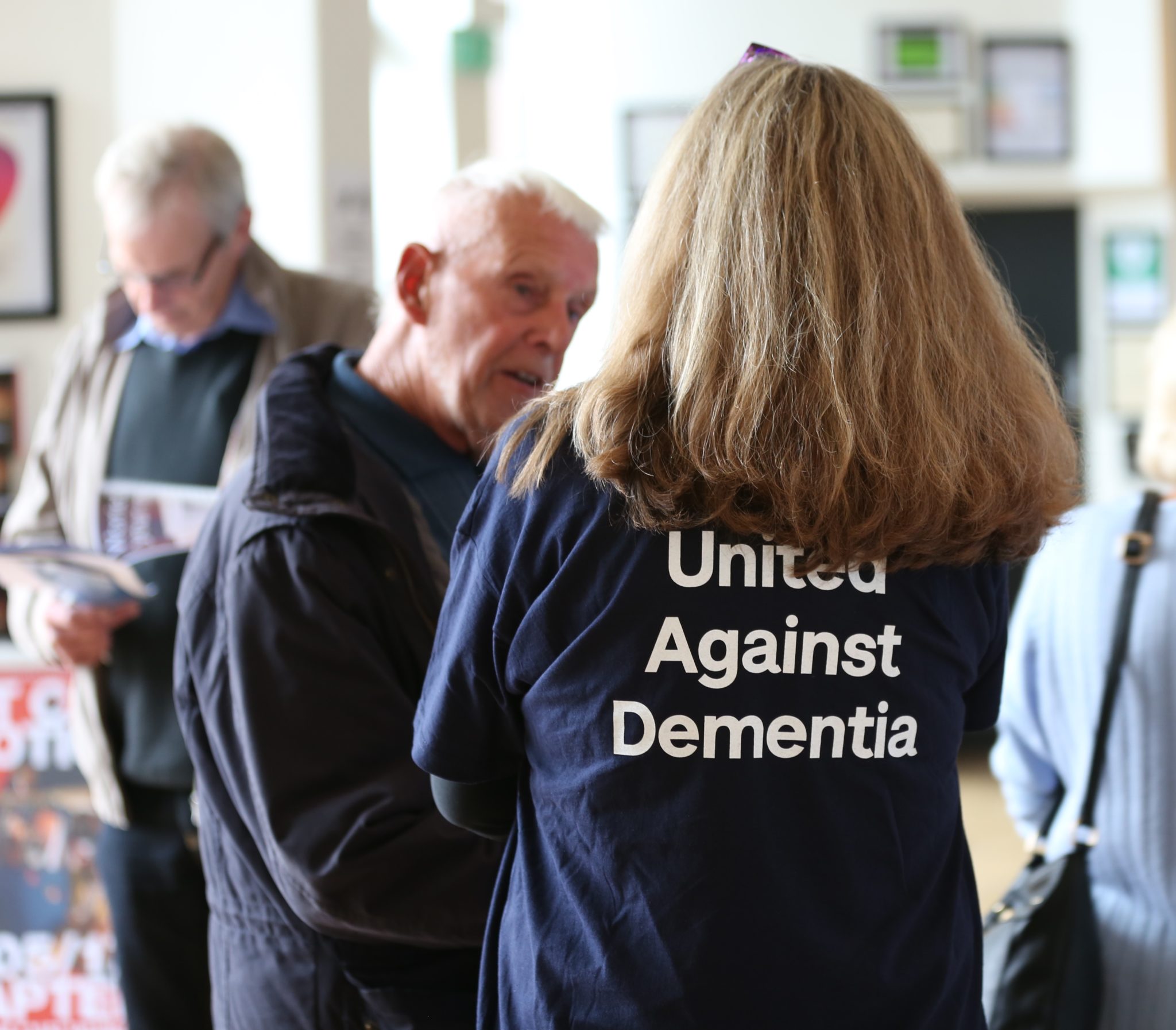
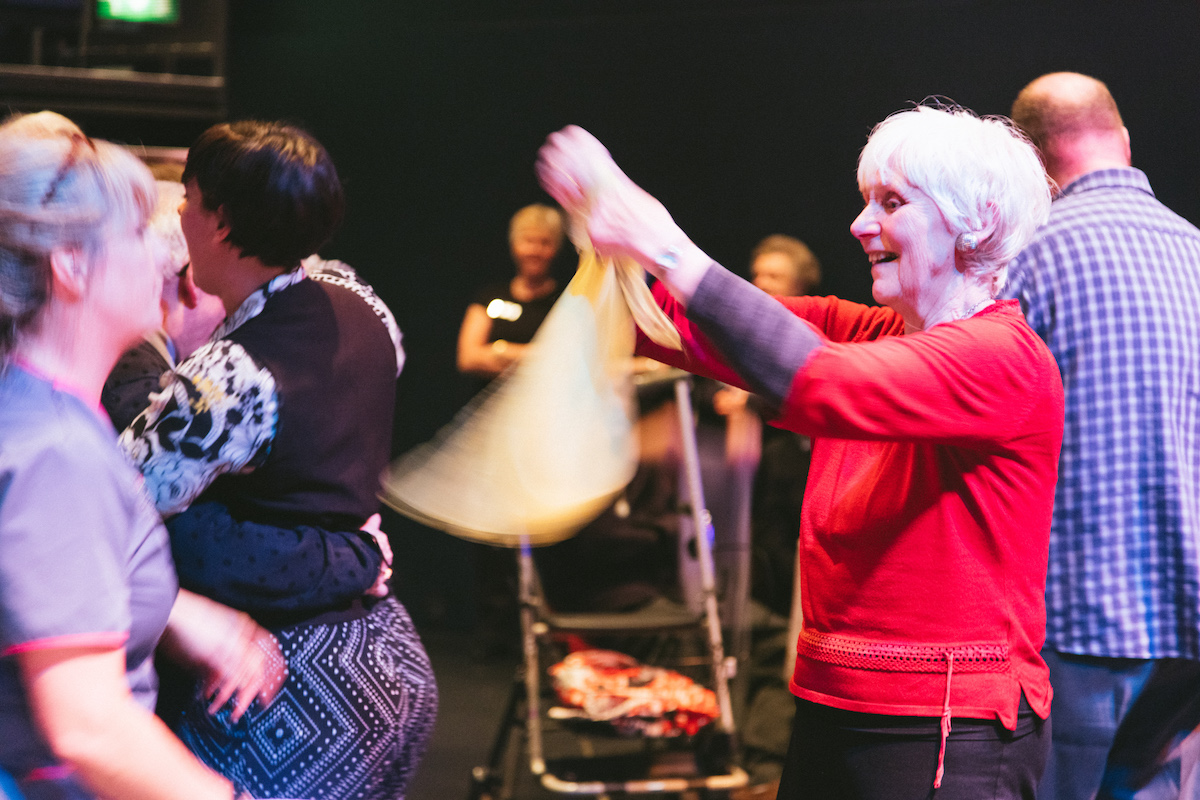
People affected by dementia often have to give up the things they love due to inaccessible and unsupportive environments. This includes visiting a cinema.
Cinemas have an important part to play in tackling the social and economic impact of dementia, by allowing people living with dementia to continue to participate in entertainment. Our new cinema guide, produced in collaboration with Alzheimer’s Society and UK Cinema Association, is designed to help cinemas improve their accessibility and become more dementia-friendly.
People living with dementia should be able to live the life they want to lead in their communities, irrespective of their condition. This will only be achieved with greater awareness, understanding, and support for those impacted by dementia. Becoming a dementia-friendly organisation means providing the opportunities to help every person with dementia continue to do the things they want to do and cinemas are central to this aim.
From your first family trip to the big screen to seeing the latest blockbusters with friends as a teenager, film is an immersive experience which can leave a profound and lasting impact on an individual. It can promote activity and stimulation of the mind; be an important tool for reminiscence, and is often associated with relaxation, engagement and, above all, enjoyment. By developing an understanding of dementia, cinemas can make a huge difference to people living with dementia.
This guide gives best practice advice on how to run dementia-friendly screenings and shares successful case studies from organisations already running. It aims to spread awareness of dementia-friendly screenings and encourages cinemas of all sizes to get involved.
We have also prepared a dementia friendly survey to assist with gathering data at your screenings.
Access the guide, along with further resources in the downloads section.

In 2015 Disabled Access Day, 16 March, began as a day to celebrate good access and to create opportunities for people to try something new. The day was very much about highlighting the fantastic access that already exists in places, experiences such as going on a touch tour, enjoying a relaxed performance, sensory experiences, signed events, level access and of course a warm welcome! Often these activities and experiences are hard to arrange or create a sense of anxiety and fear.
Cinemas across the country offer access for people who may have visible or hidden disabilities, as well as offering specific accessible screenings, such as subtitled, audio described, BSL interpreted, relaxed environment, autism-friendly, and/or dementia-friendly screenings.
Your Local Cinema lists many subtitled and audio-described screenings
Accessible Screenings UK also list autism-friendly, subtitled and audio-described screenings
Many cinemas across the country offer relaxed environment or autism-friendly screenings, with adaptations to make the space more comfortable and accessible for autistic people to enjoy film as individuals or with their families.
Organisations such as the UK Cinema Association, Dimensions, National Autistic Society and BFI FAN have worked with cinemas to support them in welcoming autistic audiences.
We have provided some training resources and information on this page to help you host Relaxed Screenings in your venue.
Cinema and film can be an inspiring and powerful tool for representation and developing awareness projects. Find some inspiration on this page about previous and existing projects, films, or information for further research and planning ideas.
Jo attended Opening our Doors: Inclusive Cinema in Glasgow 2019 to run a workshop on marketing diverse titles for audiences.
“One of things I enjoy most about working on grassroots and outreach marketing on film projects is the sheer diversity of campaigns you can be involved with as well as the creative freedom you can exercise on the below the line activity associated with these projects.
“As cinemas, community cinemas or festivals its imperative you treat grassroots/outreach marketing as an integral part of your audience development programme – you’ll need to nurture and cultivate these relationships over time.
“Look at your programme at a whole and find the common links between films – look at I, Daniel Blake and Nae Pasaran! for instance, there is definitely a crossover in terms of the politics or looking at young empowered female led films like Patti Cake$ and Skate Kitchen. Be as strategic as you can with your programming.
“Organisations and individuals you engage with will become your ambassadors and champions so its important you keep the conversations with them going even during your quieter periods or between events.
“Also as local organisations you’re a unique position to understand the sensitivities and culture of your community, this is a massive advantage – think of all the knowledge you have and how it can be best used!”
“Together, we’ve raised over £60 million for projects tackling some of society’s most important challenges.”
“Each week I look at a different film industry topic, focusing on the data and statistics to reveal what’s really going on.”
International Women’s Day is celebrated on 8 March every year.
It is a global day celebrating the social, economic, cultural, and political achievements of women. The day also marks a call to action for accelerating women’s equality.
IWD has occurred for well over a century, with the first IWD gathering in 1911 supported by over a million people. Today, IWD belongs to all groups collectively everywhere. IWD is not country, group or organisation specific.
Given “women directed a record number of 2020 films” (Women represented 16% of directors working on the 100 highest-grossing films in 2020, Variety), how can we ensure that we give greater voice to women on our screens?
Five documentaries that have helped to move the conversation about mental health forward, and have allowed viewers to gain greater insight into certain conditions through the personal experiences of others. Some of these documentaries feature famous faces, and some focus on the lives of those outside the public eye, but each film has its own … More
2680 out of 7000 languages spoken in the world are endangered. Only a few hundred languages have genuinely been given a place in education systems and the public domain, and less than a hundred are used in the digital world.
International Mother Language Day has been observed every year since February 2000 to promote linguistic and cultural diversity and multilingualism. In 2019, the United Nations declared The Year of Indigenous Languages (IY2019) to raise awareness and recognise the important cultural value that they bring to our world.
The UN has proclaimed 2022-2032 the International Decade of Indigenous Languages to draw global attention on the critical situation of many indigenous languages.
This is a great time to focus on planning screenings of films not in the English language, learn about the challenges Indigenous languages face by connecting people through language and culture through film.
February is LGBTQ+ History Month in the UK, a time to celebrate the rich histories, creativity, and contributions of lesbian, gay, bisexual, transgender, queer, intersex and gender‑diverse communities. Cinemas and film exhibitors can play an important role in visibility, education and inclusion.
Ways to get involved:
Screen diverse films: Highlight stories by and about LGBTQI+ people — including trans and non‑binary filmmakers and characters — past and present.
Host events: Organise discussions, Q&As, or panels that explore LGBTQI+ history, current issues and lived experiences.
Create inclusive spaces: Ensure your venue is safe, accessible and welcoming for all LGBTQI+ audiences and staff.
Partner locally: Work with LGBTQI+ organisations to support community events and amplify LGBTQI+ voices.
Context on transgender inclusion (UK):
Transgender and non‑binary people in the UK continue to face significant legal, social and healthcare challenges. Recent legal rulings have narrowed the legal recognition of gender under equality law, and many trans people report difficulty accessing public spaces and healthcare services, as well as high levels of harassment and a sense of insecurity in daily life. Polling has found a majority of trans people feel unsafe in public and face significant barriers to basic services and facilities [1].
By centering LGBTQI+ history and acknowledging the lived realities of trans communities today, cinemas can both celebrate diversity and show solidarity with audiences who continue to fight for equal rights and recognition.
[1] https://www.thepinknews.com/2025/10/27/trans-poll-uk-yougov-goodlaw-project