What is easy read?
Easy Read information is designed for people with a learning disability who like clearly written words with pictures to help them understand.



We recommend using professional subtitling and audio description services for your film wherever possible, to ensure the best possible standard and accessibility for your screenings.
To provide subtitles which are accessible for D/deaf audiences you will need to provide caption (descriptive) subtitles for your film, which provide extra information about the sound onscreen as well as dialogue. Subtitling often used for foreign language films translates the dialogue only and assumes a hearing audience. Please check with the individual subtitle supplier whether they provide this.
For foreign language films, you will need a Subtitler and/or Audio Describer who can translate for screen.
Here are details of some UK based organisations who may be able to help:
Matchbox Cineclub – Subtitling.
Day for Night – Subtitling , audio description, translation in 45 languages.
Voicebox – Subtitling.
Glocal Media – Subtitling and BSL translation for media.
Zebra Uno – Subtitling and BSL translation for media
Capital Captions – Subtitling, audio description and translation.
Screen Language – Subtitling, audio description and translation.
Matinee Multilingual – Subtitling, audio description and translation in 80+ languages.
Mind’s Eye – Audio Description
Vocal Eyes – Audio Description
Audio Description Association – Offers a directory of freelance Audio Describers, sorted by region.
Sign Language Media – BSL translation for media.
Reflect BSL – BSL translation for media.
Red Bee Media – BSL translation for media.
Bradford Talking Media – Subtitling and BSL translation for media.
Sign Language Direct – BSL translation for media.
Tarjuman – Subtitling and translation.
If you are looking for a BSL interpreter for your film screening, event or meeting, here is a list of Interpreter services and organisations who may be able to help:
Action On Hearing Loss – BSL Interpreters, Deafblind interpreters, Lip Speakers, Sign Supported English (SSE) Interpreters.
Clarion UK – BSL Interpreters.
Sign Language Direct – BSL Interpreters and Lip Speakers.
Sign Solutions – BSL Interpreters.
Deaf Umbrella – BSL Interpreters, London and South East (Kent).
Prestige Network – BSL Interpreters.
Zebra Uno – BSL Interpreters, Lip Speakers, Sign Supported English (SSE) Interpreters, Deafblind Interpreters, international Sign Interpreter.
LanguageLine Solutions – BSL Interpreters.
BID Services – BSL Interpreters.
Royal Association for Deaf People – BSL Interpreters, Lip Speakers, Deafblind Interpreters.
Link Hearing – BSL Interpreters.
List of BSL interpreter contacts.
AVSTTR (The Association of Speech-To-Text Reporters) – Speech-To-Text Reporters
Action on Hearing Loss – Speech-To-Text Reporters
MyClearText – Speech-To-Text Reporters
Clarion UK – Speech-To-Text Reporters
NRCPD (The National Registers of Communication Professionals working with Deaf and Deafblind People) – Speech-To-Text Reporters
BIVR (British Institute of Verbatim Reporters) – Speech-To-Text Reporters
Stagetext – Subtitling and live captioning
AI Live – Live captions
Transcription City – Subtitling and live captioning
Capital Captions – Live captioning
Streamtext – Realtime caption solution
CC Extractor – produces subtitle files from closed captions
Rev.com – transcription, subtitling and captions
Zubtitle – captions for social media
Speakertext – cloud-worker generated captions
Easy Read information is designed for people with a learning disability who like clearly written words with pictures to help them understand.
Every design decision can make the user experience better or worse. Successful inclusive design requires informed decision-making at the concept stage, because it can become prohibitively expensive to make changes later on. This kit describes the four main phases of inclusive concept design: Manage: Review the evidence to decide ‘What should we do next?’ Explore: … More
Opening Our Doors was a day of workshops and talks developed by Film Hub Wales, aimed at highlighting inclusivity and equality in film exhibition. The event was aimed at exhibitors seeking to capacity build within their own cinemas. It was a tailor-made day of workshops, case studies and discussions by experts and FAN members for FAN members aimed to boost exhibitor confidence in being more inclusive.
Working closely with Film Hub Scotland, and forming part of their Amplify programme, an Opening our Doors day was delivered in January 2019 to support members of the network in understanding and engaging with diverse communities including low-income, BAME, and disabled groups. The event also referenced programming, and marketing for diverse audiences.
The BFI diversity standards task exhibitors with supporting better inclusion in cinema, such as inclusion for those with additional needs and for those who might feel culturally excluded.
Many of us know about the barriers that are in front of us when we talk about building diverse audiences. We don’t really get the time to consider and talk about our options, our fears, talk to our peers and come up with solutions to improve what we offer.

Mental wellbeing is an extremely important issue with young people, and film can be a wonderful tool for helping them explore their feelings and broach difficult subjects. Thought-provoking films can allow young people to discuss the many difficult and complex issues associated with mental wellbeing in an accessible way. Using film can help develop emotional … More
Taking steps to make your venue more accessible is beneficial to everyone – from shops trying to increase sales to attractions aiming to increase footfall; and from wheelchair users to young parents out and about with prams. Here are some top tips for making your venue as accessible to as many people as possible.
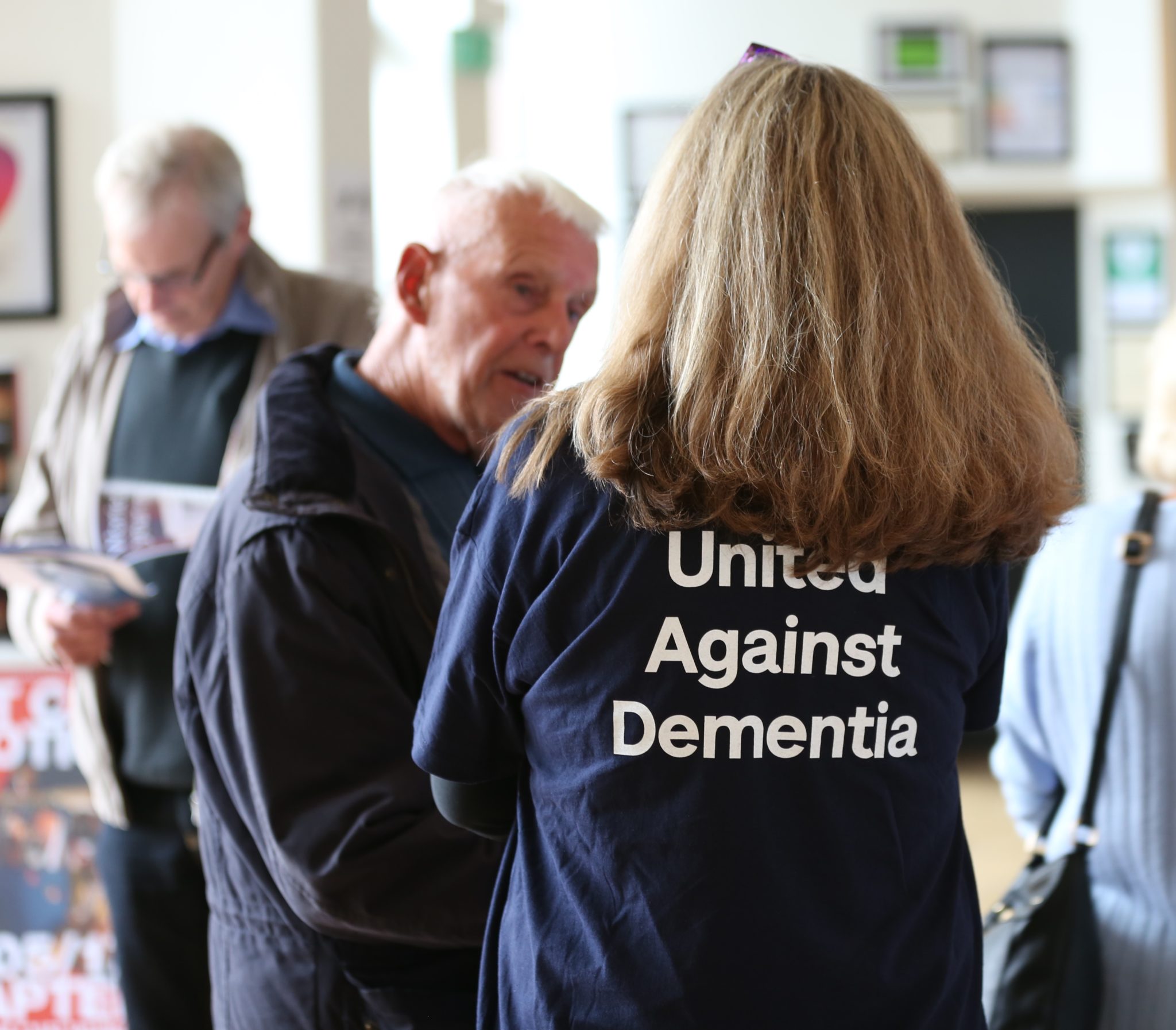
People affected by dementia often have to give up the things they love due to inaccessible and unsupportive environments. This includes visiting a cinema.
Cinemas have an important part to play in tackling the social and economic impact of dementia, by allowing people living with dementia to continue to participate in entertainment. Our new cinema guide, produced in collaboration with Alzheimer’s Society and UK Cinema Association, is designed to help cinemas improve their accessibility and become more dementia-friendly.
People living with dementia should be able to live the life they want to lead in their communities, irrespective of their condition. This will only be achieved with greater awareness, understanding, and support for those impacted by dementia. Becoming a dementia-friendly organisation means providing the opportunities to help every person with dementia continue to do the things they want to do and cinemas are central to this aim.
From your first family trip to the big screen to seeing the latest blockbusters with friends as a teenager, film is an immersive experience which can leave a profound and lasting impact on an individual. It can promote activity and stimulation of the mind; be an important tool for reminiscence, and is often associated with relaxation, engagement and, above all, enjoyment. By developing an understanding of dementia, cinemas can make a huge difference to people living with dementia.
This guide gives best practice advice on how to run dementia-friendly screenings and shares successful case studies from organisations already running. It aims to spread awareness of dementia-friendly screenings and encourages cinemas of all sizes to get involved.
We have also prepared a dementia friendly survey to assist with gathering data at your screenings.
Access the guide, along with further resources in the downloads section.
Jo attended Opening our Doors: Inclusive Cinema in Glasgow 2019 to run a workshop on marketing diverse titles for audiences.
“One of things I enjoy most about working on grassroots and outreach marketing on film projects is the sheer diversity of campaigns you can be involved with as well as the creative freedom you can exercise on the below the line activity associated with these projects.
“As cinemas, community cinemas or festivals its imperative you treat grassroots/outreach marketing as an integral part of your audience development programme – you’ll need to nurture and cultivate these relationships over time.
“Look at your programme at a whole and find the common links between films – look at I, Daniel Blake and Nae Pasaran! for instance, there is definitely a crossover in terms of the politics or looking at young empowered female led films like Patti Cake$ and Skate Kitchen. Be as strategic as you can with your programming.
“Organisations and individuals you engage with will become your ambassadors and champions so its important you keep the conversations with them going even during your quieter periods or between events.
“Also as local organisations you’re a unique position to understand the sensitivities and culture of your community, this is a massive advantage – think of all the knowledge you have and how it can be best used!”
The ambition of this toolkit is to help your organisation – whether business, public sector or charitable – support the mental health and wellbeing of your employees. It will help you take positive actions to build a culture that champions good mental health and provide a greater understanding for how to help those who need more support.
To encourage new young audiences to experience theatre, the Arts Council’s A Night Less Ordinary scheme in association with Metro offered over half a million (618,000) free theatre tickets to anyone under 26 at more than 200 venues throughout England. In this video Jane Finnis, Culture 24, Jake Orr, www.ayoungertheatre.com, Susan Whiddington, Mousetrap Theatre Projects … More