Rianne Pictures – Women X

Rianne Pictures share their advise on implementing the toolkit and how they're incorporating it into their 2021 festival edition.

Rianne Pictures – Women X

Inclusive Cinema spoke to Rianne Pictures founder Caris Rianne and team member  Sophie Duncan on their approach to implementing the toolkit Dismantling Structural Inequality in Your Cinema by Sadia Hameed. How did you hear about the toolkit? Caris: We came across it, I think it was around January time, and it was on my to … More

What this toolkit is

This toolkit is, foremostly, a practical guide for improving the experiences of POC (people of colour) audiences, staff and filmmakers – and other intersections including gender, sexuality, disability, income and class. Whilst the harm and discrimination POC face in the arts both as workers and audiences is firmly rooted within institutional and systemic injustice, preventing immediate harm is the key priority – and that begins with immediate, though not as radical, reform. This goes beyond representation, and towards creating a space built for all people rather than for primarily white audiences. Whether your cinema is in a rural part of the UK, or in a densely populated city, ethnically diverse audiences are there and it is your cinema’s role to serve them. 

The second function of this toolkit is to create lasting change for future generations, and sustain your organisation in a meaningful way (one which is framed around serving communities and not merely securing funding). To do this, you must play your role in preventing harm on an institutional and systemic level. In addition to immediately actionable tools, this toolkit will encourage inner, reflective and dialogue-based work towards undoing systemic injustice. This work will be longer term, and may at times feel personal, however confronting these uncomfortable spaces from positions of privilege is fundamental to creating wider change. Treat the provocations as actionable on a personal level within your roles and workplaces, because the results will be structural change that will not allow harm to exist within your organisations. 

Who this is for

It is important that this toolkit is offered to all staff members in your cinema or film organisation; from trustees and managers to programmers and front-of-house staff. Whilst some will find responsibility placed on them to action certain aspects, others will be empowered by the conversations around equity this toolkit may enable. We implore you to talk widely within your organisation about the implications of this toolkit, in an environment in which hierarchies are cut away. Pay all staff equally to feed into this dialogue, and you will see what emerges on this new ground.  

Whilst this toolkit has been written in the locale of South Wales, it is aimed towards independent cinemas, festivals, film-based organisations and digital film spaces across the UK – responding to regional differences in audiences, access to funding, rurality and lived experience. 

What can be achieved with this toolkit

We hope that once this toolkit is worked through, you will come away with an understanding that increasing diversity and access is not a means of sustaining your organisation, but of sustaining and resourcing the communities that cinema serves. This document further hopes to provide an opportunity to reflect on your organisation’s intentions, and how to realign those back to serving all audiences and filmmakers. 

Immediate implications will be a reimagining and dismantling of old ways of working, and implementing new models of equity within your organisation and for those who enter your space (whether physical or digital). This is necessary work as a cultural space. It is always possible if there is the will to change, from staff make-up to programming practices, organisational hierarchies to an equalisation of pay; but if there isn’t a will to change, there must be a divestment of power and transference of funding to the communities your organisation is failing to serve. This toolkit will help you confront these different potentials for change. 

This is difficult work because it calls for challenging your positionality, your personal and emotional responses, your attachment to a workplace, your unconscious and conscious biases, your own stability, your lived experiences, and the harmful structures you may benefit from. Then, it calls for a letting go. Inequity is not any one person’s fault but it is our collective responsibility to understand and undo it. And finally, it calls for a real commitment to doing the work.

Download the toolkit.

Download the plain text version.

___

In April 2021, Sadia spoke with BoxOffice Podcast about the toolkit. Listen here and check at the link for a full transcript of the interview.

This Way Up 2020 - Dismantling Structural Inequalities in Your Cinema

SQIFF Accessibility Guide for Exhibitors

The Scottish Queer International Film Festival (SQIFF) is a not-for-profit festival founded in 2015. As well as their annual film festival, they undertake year-round work including events, archive programming and advice and support for the exhibition sector. They have produced the SQIFF Deaf and Disabled Accessibility Guide, intended for use by film exhibitors of any … More

No Barriers to Cinema: Young d/Deaf audiences

A doubleheader of educational special events from Into Film celebrating language, communication and d/Deaf cultural identity. Summary of project The central tenet of the project was to challenge the assumption that accessible cinema screenings need to be separated from mainstream programming. We promoted the events encouraging schools working with d/Deaf or hearing students to attend, … More

The ICO commissioned this toolkit for (primarily) independent film exhibitors to support their work in making their venues and services more inclusive and accessible for visually impaired people.

Sight Loss in the UK

  • It is estimated that currently, over two million people in the UK live with sight loss that is severe enough to have a significant impact on their daily lives, such as their not being able to drive.
  • Every day, 250 people start to lose their sight in the UK.
  • As we get older we are increasingly likely to experience sight loss, and the UK population is ageing. In addition, sight loss is strongly linked with certain medical conditions as well as lifestyle factors such as diabetes and obesity – the rates of which are both rising.
  • The number of people with sight loss is estimated to rise to 2.7 million by 2030. By 2050, the current figure will double to over four million.

People living with sight loss want to enjoy the same experiences as everyone else. This includes going to the cinema and there is therefore a strong economic argument for film exhibitors to meet this demand, as well as the obvious social and moral imperatives for cultural organisations to aim to serve everyone within their community.

In addition, cinemas have a legal duty to make their services accessible to all people with disabilities, including visually impaired people, under the Equality Act 2010. People with disabilities who feel they have been refused or denied reasonable access to a service have the option to take the service provider to court.

Organisations that are inclusive and welcoming to people with disabilities gain enhanced community reputation and trust. People with disabilities are loyal to organisations which provide a consistently good and inclusive service.

Read the full ICO guide to Developing Visually Impaired Audiences, and check out their web page on Subtitling and audio description for information around screening accessibly to blind and partially-sighted audiences.

Understanding Sight Loss – Bhavini’s story

Old School: A Guide for Schools

Now the BBC’s filming and involvement has finished, we at the Oxford Academy are taking the Old School project forward independently. We’re extending the pilot further with the aim of creating a universal framework for schools who would like to run their own similar schemes. In the meantime we’re sharing the things we’ve learnt so … More

Inclusive Design Toolkit

Every design decision can make the user experience better or worse. Successful inclusive design requires informed decision-making at the concept stage, because it can become prohibitively expensive to make changes later on. This kit describes the four main phases of inclusive concept design: Manage: Review the evidence to decide ‘What should we do next?’ Explore: … More

Matinee

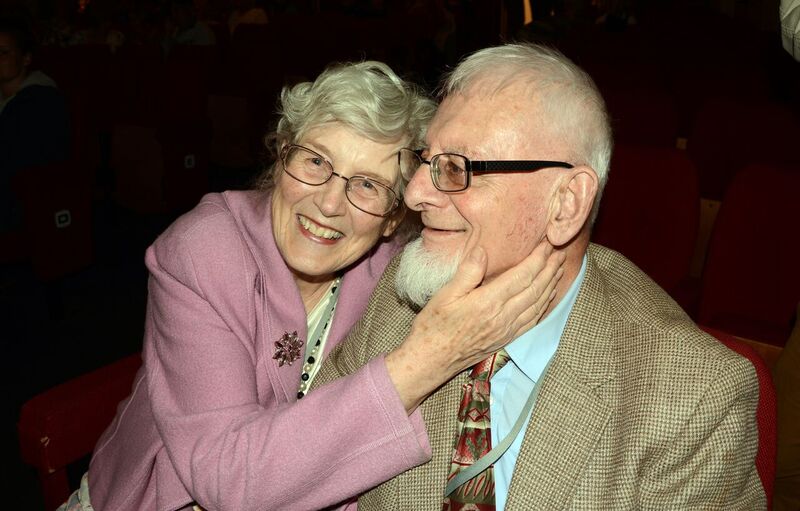
Project overview Why the project matters Matinée provides dementia friendly cinema screenings across Derbyshire for people living with memory challenges, their family and friends. People with a dementia are ‘at higher risk of social isolation through a loss of social networks/ social support… Social isolation… has been associated with the risk of developing dementia.” Reducing … More

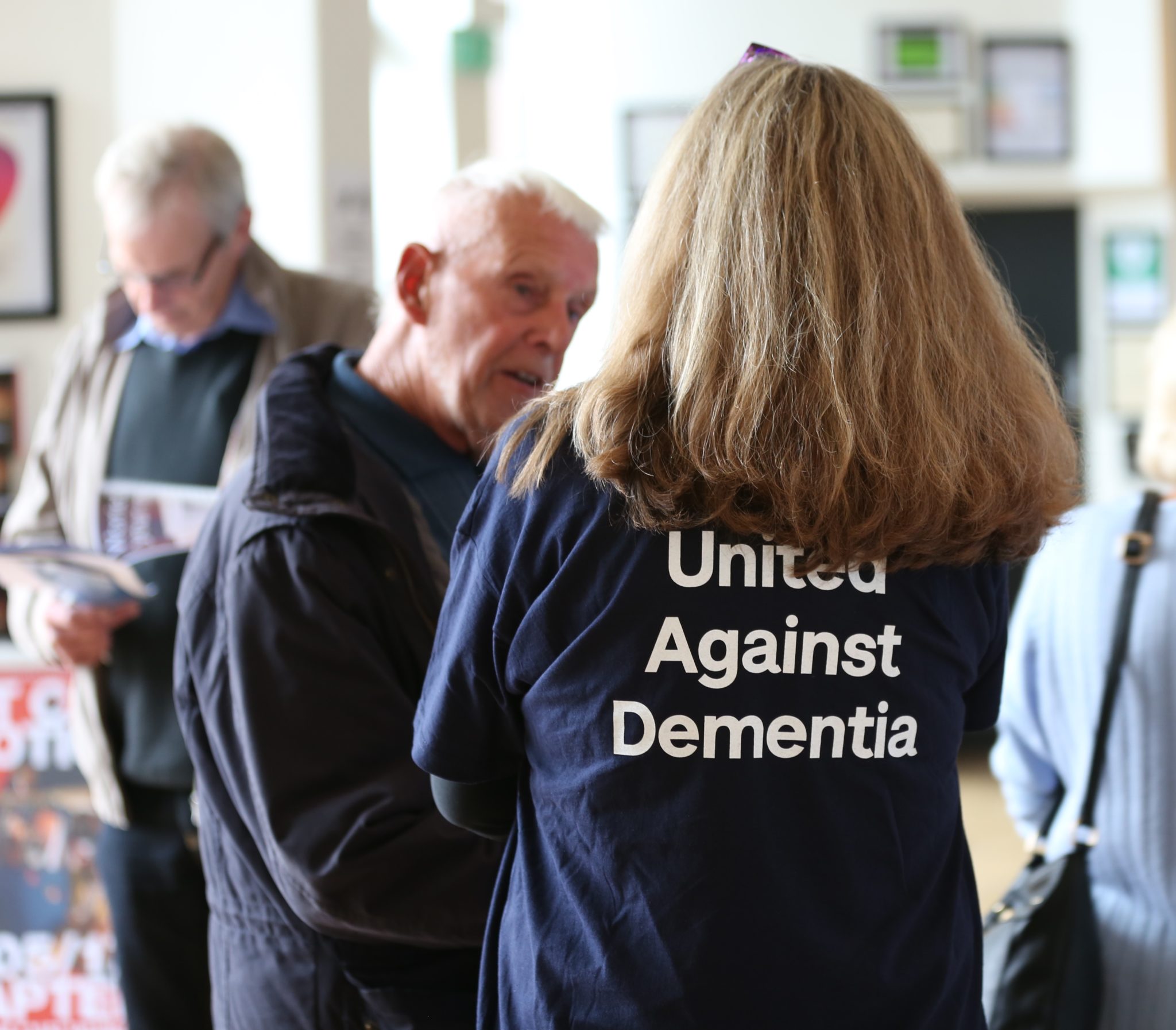
People affected by dementia often have to give up the things they love due to inaccessible and unsupportive environments. This includes visiting a cinema.

Cinemas have an important part to play in tackling the social and economic impact of dementia, by allowing people living with dementia to continue to participate in entertainment. Our new cinema guide, produced in collaboration with Alzheimer’s Society and UK Cinema Association, is designed to help cinemas improve their accessibility and become more dementia-friendly.

People living with dementia should be able to live the life they want to lead in their communities, irrespective of their condition. This will only be achieved with greater awareness, understanding, and support for those impacted by dementia. Becoming a dementia-friendly organisation means providing the opportunities to help every person with dementia continue to do the things they want to do and cinemas are central to this aim.

From your first family trip to the big screen to seeing the latest blockbusters with friends as a teenager, film is an immersive experience which can leave a profound and lasting impact on an individual. It can promote activity and stimulation of the mind; be an important tool for reminiscence, and is often associated with relaxation, engagement and, above all, enjoyment. By developing an understanding of dementia, cinemas can make a huge difference to people living with dementia.

This guide gives best practice advice on how to run dementia-friendly screenings and shares successful case studies from organisations already running. It aims to spread awareness of dementia-friendly screenings and encourages cinemas of all sizes to get involved.

We have also prepared a dementia friendly survey to assist with gathering data at your screenings.

Access the guide, along with further resources in the downloads section.