SQIFF Directory

This directory is an essential resource for queer people based in Scotland working and making in the film industries. Currently in its development, the SQIFF Directory was created with the aim of promoting queer work in Scotland, broadening access in who can participate and be recognised in the industry. It’s important to promote queer work … More

Deaf Awareness Week, co-ordinated by UK Council on Deafness is a campaign in which many different organisations participate, each able to promote their own work within the broad spectrum of deafness.

Many organisations collaborate and work together in a joint campaign of UK wide national and local events to raise awareness of the needs of the 1 in 6 deaf or hard of hearing people in the UK.   Deaf Awareness Week aims to promote the positive aspects of deafness, promote social inclusion and raise awareness of the huge range of local organisations that support deaf people and their family and friends.

Cinema and d/Deaf awareness

There are many ways in which cinemas and exhibitors can get involved to promote d/Deaf awareness within their organisations and for audiences. From staff learning some basic BSL signing to programming more captioned subtitled films to always adding subtitles to social media content, here are some resources to get you started.

d/Deaf awareness online

When planning film exhibition initiatives online it is important to think about access and inclusion for everyone.

Things to think about regarding d/Deaf awareness and online film exhibition:

  • Include films with closed captioned / subtitled options. Check individual films and VOD platforms for availability.
  • Add captions to videos on social media
  • Include or enable closed captions on live broadcasts for example on Facebook Live or Zoom
  • Include a BSL interpreter where possible for film discussions
  • We recommend using professional subtitling services to ensure consistency of accessibility and quality. You can find professional subtitling services here, some of which offer advice and training.

Share your experiences

We would love to know about your film or cinema project at Inclusive Cinema. If you’d like to submit your own case study, please download this Inclusive screening case study template and submit it to toki[at]filmhubwales.org, so we can share your experiences, too.

Resources

read more
Learn how to plan and run an online workshop
read more
ICO: Developing Deaf Audiences for film
read more
read more
Jo Wootten: Tips for working remotely when you’re deaf (with BSL videos)
read more
Jo Wootten: Captioning remote meetings and other useful resources for deaf people
read more
read more
Visible Cinema
read more
How to Make Sure You’re Not Excluding Deaf People from Arts Events
read more
Subtitling and audio description
read more
Digital Resources for Subtitling
read more
Everything There is to Know About Subtitling & How it is Done
read more
BSL Zone: Deaf Funny Programme 6
read more
How do I add captions to my Page's video on Facebook?
read more
read more
5 ways to make your venue more accessible for D/deaf people
read more
read more
read more
Closed Captioning on Zoom
read more
Do's and Dont's of Designing for Accessibility
read more
Lights, camera, caption! Why subtitles are no longer just for the hard of hearing
read more
YouTube Help: Add your own subtitles and closed captions
read more
Learn BSL from home in your own time with www.british-sign.co.uk
read more
Why You Should Always Add Subtitles to your Videos (and How!)
read more
How to Create Custom SRT Files for Video Subtitles
read more
read more
Matchbox Cineclub: subtitling and advice services
read more
Substital app: add subtitles to videos online
read more
read more
Deaf and Disabled access in film exhibition
read more
The Deaf Visual Archive
read more
Nothing About Us Without Us: An Overview of Disability/ Deaf Representation in Film
read more
BFI Player: FREE archive film "On the Level"
read more

Essential British Sign Language for Cinemas

The best way to market to Deaf audiences - Nikki Stratton

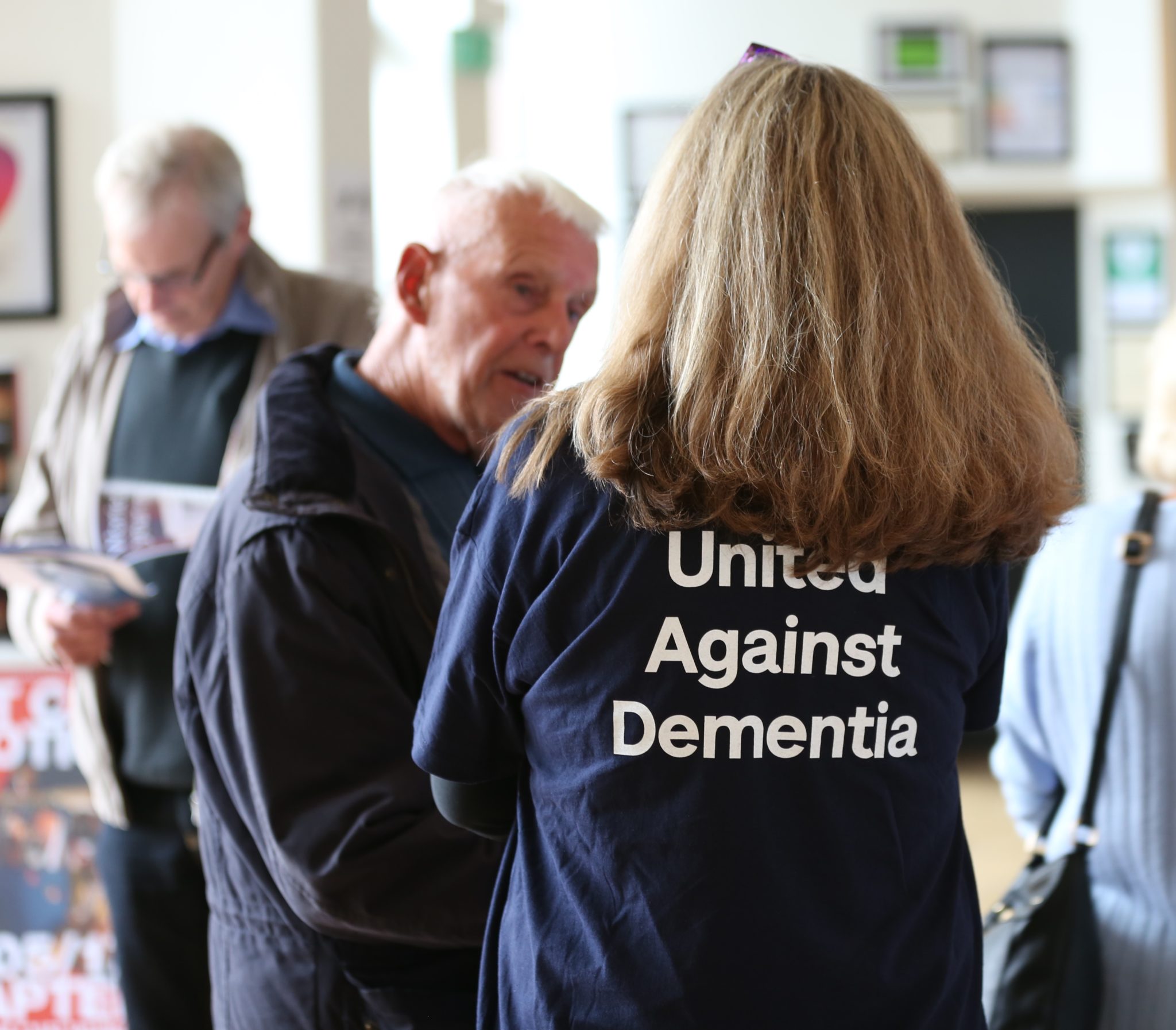
People affected by dementia often have to give up the things they love due to inaccessible and unsupportive environments. This includes visiting a cinema.

Cinemas have an important part to play in tackling the social and economic impact of dementia, by allowing people living with dementia to continue to participate in entertainment. Our new cinema guide, produced in collaboration with Alzheimer’s Society and UK Cinema Association, is designed to help cinemas improve their accessibility and become more dementia-friendly.

People living with dementia should be able to live the life they want to lead in their communities, irrespective of their condition. This will only be achieved with greater awareness, understanding, and support for those impacted by dementia. Becoming a dementia-friendly organisation means providing the opportunities to help every person with dementia continue to do the things they want to do and cinemas are central to this aim.

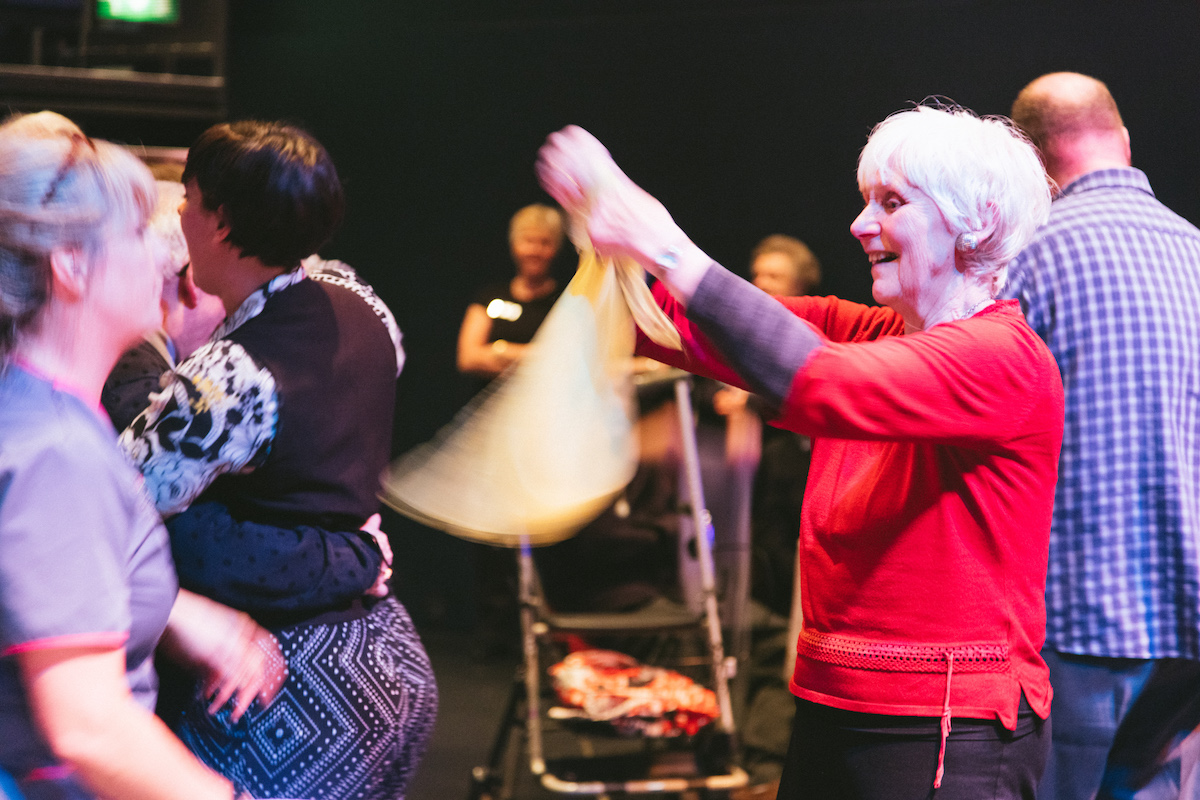
From your first family trip to the big screen to seeing the latest blockbusters with friends as a teenager, film is an immersive experience which can leave a profound and lasting impact on an individual. It can promote activity and stimulation of the mind; be an important tool for reminiscence, and is often associated with relaxation, engagement and, above all, enjoyment. By developing an understanding of dementia, cinemas can make a huge difference to people living with dementia.

This guide gives best practice advice on how to run dementia-friendly screenings and shares successful case studies from organisations already running. It aims to spread awareness of dementia-friendly screenings and encourages cinemas of all sizes to get involved.

We have also prepared a dementia friendly survey to assist with gathering data at your screenings.

Access the guide, along with further resources in the downloads section.

Derbyshire Film

Project overview Derbyshire Film is a network of voluntary promoters who use digital projection equipment to provide film screenings in village halls and other alternative venues, particularly in rural areas where cinema is not otherwise available. Why the project matters The project arose following research with local people, who said that the one artform they … More