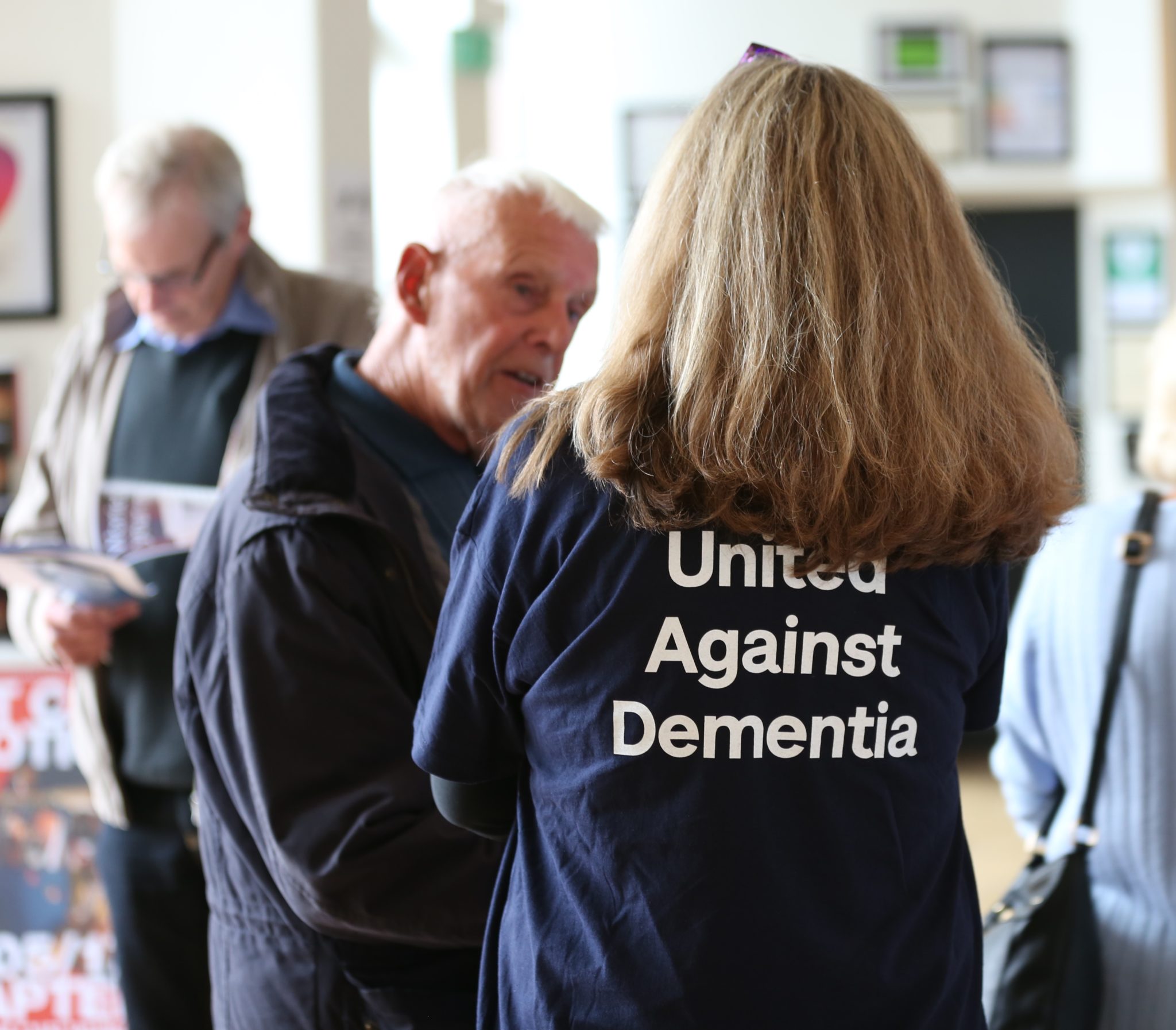
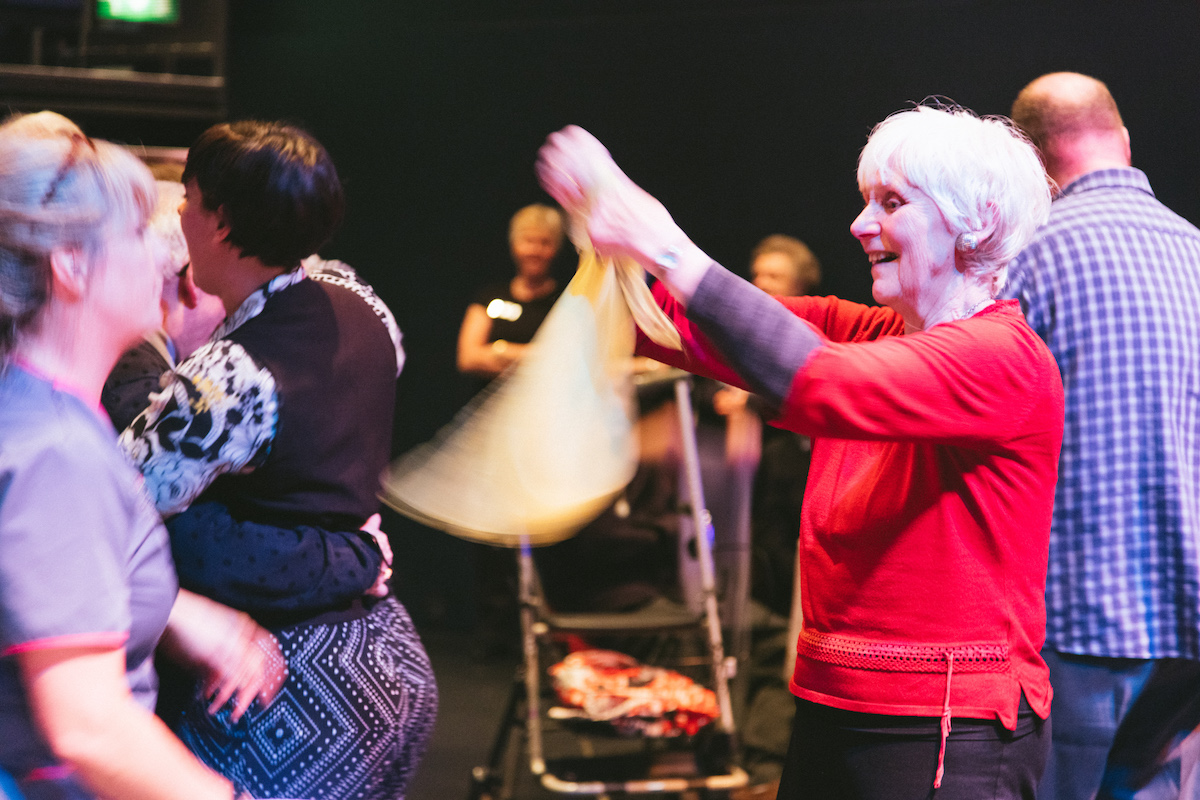
Dementia Friendly Film Screenings at Theatr Colwyn

Dementia friendly screenings in Colwyn Bay, programmed in partnership with the ‘A Life More Ordinary’ Project.

Dementia Friendly Film Screenings at Theatr Colwyn

Project Overview At the back end of 2016, we signed up to ‘A Life More Ordinary’ (ALMO) project, based at The Dukes in Lancaster and now being rolled out across the UK. This pioneering scheme gives people living with dementia, their friends, family and carers the opportunities to enjoy regular cultural and arts events, such … More

FAN supported BFI Musicals in autumn 2019. This was a nationwide cinema season celebrating the spectacle and craft of Musicals on film. This major season was led by BFI, Independent Cinema Office and Film Audience Network (FAN). 

FAN member cinemas could access screening support to present films, mini seasons or events as part of the season. With screening support, they received help to fund their own independent programming and events plus support to do wrap around activity related to the seasons core titles.

For exhibitors who wanted to include Captioned Subtitles on their screenings, Sweet Charity was bookable from the ICO touring programme. Tommy and Singin’ in the Rain was available from the BFI.

Exhibitors who wanted to run a Dementia-Friendly screening, could take a look at our downloads section. Screenings are adapted to make the environment more suitable for people living with dementia. You can find more about running dementia-friendly screenings here. Dementia-friendly screenings are also sometimes called Relaxed Screenings, though these can also be suitable for people with multi sensory sensitivities or different conditions such as autism or learning disabilities.

Exhibitors who were interested in running a relaxed screening, could find out more in our quick tips for running relaxed screenings. There is also some transferable advice in our autism-friendly screenings guide, though bear in mind much of this advice is specific to people living with autism, not necessarily those who are Learning Disabled. Ideally, consult with Learning Disabled groups in your area for advice and expertise.

Matinee

Project overview Why the project matters Matinée provides dementia friendly cinema screenings across Derbyshire for people living with memory challenges, their family and friends. People with a dementia are ‘at higher risk of social isolation through a loss of social networks/ social support… Social isolation… has been associated with the risk of developing dementia.” Reducing … More

Dementia-friendly screenings create a slice of normal life for people living with dementia, a chance to experience film in a relaxed and supported environment. Cinemas across the UK are providing screenings throughout the year, but Dementia Action Week in May is an opportunity to highlight these events, and commit to taking one action to being more dementia-friendly.

Disability and Access

The UK cinema sector is recognised as a world-leader in terms of its work to support and welcome disabled cinema-goers. Many of the changes made by UK cinema operators in this regard pre-empted and indeed went further than the requirements placed on cinemas, and others providing goods, facilities or services to the public, by the … More

Top 10 ways to make your venue more accessible

Taking steps to make your venue more accessible is beneficial to everyone – from shops trying to increase sales to attractions aiming to increase footfall; and from wheelchair users to young parents out and about with prams. Here are some top tips for making your venue as accessible to as many people as possible.

People affected by dementia often have to give up the things they love due to inaccessible and unsupportive environments. This includes visiting a cinema.

Cinemas have an important part to play in tackling the social and economic impact of dementia, by allowing people living with dementia to continue to participate in entertainment. Our new cinema guide, produced in collaboration with Alzheimer’s Society and UK Cinema Association, is designed to help cinemas improve their accessibility and become more dementia-friendly.

People living with dementia should be able to live the life they want to lead in their communities, irrespective of their condition. This will only be achieved with greater awareness, understanding, and support for those impacted by dementia. Becoming a dementia-friendly organisation means providing the opportunities to help every person with dementia continue to do the things they want to do and cinemas are central to this aim.

From your first family trip to the big screen to seeing the latest blockbusters with friends as a teenager, film is an immersive experience which can leave a profound and lasting impact on an individual. It can promote activity and stimulation of the mind; be an important tool for reminiscence, and is often associated with relaxation, engagement and, above all, enjoyment. By developing an understanding of dementia, cinemas can make a huge difference to people living with dementia.

This guide gives best practice advice on how to run dementia-friendly screenings and shares successful case studies from organisations already running. It aims to spread awareness of dementia-friendly screenings and encourages cinemas of all sizes to get involved.

We have also prepared a dementia friendly survey to assist with gathering data at your screenings.

Access the guide, along with further resources in the downloads section.

In 2015 Disabled Access Day, 16 March, began as a day to celebrate good access and to create opportunities for people to try something new. The day was very much about highlighting the fantastic access that already exists in places, experiences such as going on a touch tour, enjoying a relaxed performance, sensory experiences, signed events, level access and of course a warm welcome! Often these activities and experiences are hard to arrange or create a sense of anxiety and fear.

Cinemas across the country offer access for people who may have visible or hidden disabilities, as well as offering specific accessible screenings, such as subtitled, audio described, BSL interpreted, relaxed environment, autism-friendly, and/or dementia-friendly screenings.

UK events

Your Local Cinema lists many subtitled and audio-described screenings

Accessible Screenings UK also list autism-friendly, subtitled and audio-described screenings

AccessAble (formerly known as Disability Go) create Accessibility Guides. These are a result of an assessment with 125,000 venues individually surveyed and kept up to date. These guides are revisited once every 12 months to reassess any changes. The process is as below:

• Accessibility Guides are created following a detailed survey of each venue
o This ensures the information matches the same level of detail and consistency across all our 125,000 different Guides with over 1,000 pieces of information per venue

• Following the survey, the information is then collated and assembled within an Accessibility Guide template specific for that type of venue
o The templates have been developed continuously over our last 17 years engagement with over 1,600 different disability groups

• There is also produce an internal analysis report which contrasts the surveyors information against national best practice (BS8300:2017)
o This enables you to understand how you can make improvements in a structured approach over time, based on an independent assessment

• The Accessibility Guide is then available on the AccessAble website and also via our mobile app but also as a direct link within another website
o More than 1.7 million different people have used our Accessibility Guides in the last 12 months

• AccessAble will remain in contact throughout the year to make sure the Guide is kept up to date and AccessAble will arrange for our surveyors to return to survey any structural changes in 12 months
o Accuracy is incredibly important, all Accessibility Guides on AccessAble are accurate within a 12 month period.

An example of a Guide for a cinema is here: Stratford East AccessAble Picturehouse Guide.

Here is a document written by AccessAble on the AccessAble guides.