

Stats

  • There are over 11 million people with a limiting long term illness, impairment or disability.
  • The most commonly-reported impairments are those that affect mobility, lifting or carrying.[1]
  • There are 13.9 million disabled people in the UK. 8 per cent of children are disabled, 19 per cent of working age adults are disabled, 45 per cent of pension age adults are disabled.[2]
  • After housing costs, the proportion of working age disabled people living in poverty (28 per cent) is higher than the proportion of working age non-disabled people (18 per cent).[3]
  • Life costs you £570 more on average a month if you’re disabled.[4]
  • Over a quarter of disabled people say that they do not frequently have choice and control over their daily lives.[5]
  • Around a third of disabled people experience difficulties related to their impairment in accessing public, commercial and leisure goods and services.[6]
  • The spending power of families with at least one disabled person is estimated by the Government to be over £200 billion a year.[7]
  • Disabled audiences are over-represented amongst video buyers.[8]

[1] ONS Opinions Survey 2011
[2] Family Resources Survey 2016/17
[3] Households Below Average Income, 2015-16
[4] Scope: The disability price tag
[5] ONS Opinions Survey 2011
[6] ONS Opinions Survey 2010
[7] Department for Work and Pensions
[8] BFI Audiences Research and Statistics 2015

Organisations

Scope exists to make this country a place where disabled people have the same opportunities as everyone else.
Disability Rights UK want a society where everyone can participate equally.

Centre for Accessible Environments (CAE) provides consultancy, training, research and publications on building design and management to meet all user needs, including disabled and older people.

Mind provides advice and support to empower anyone experiencing a mental health problem.

Royal National Institute of Blind People (RNIB) is the UK’s leading charity supporting blind and partially sighted people.

Action on Hearing Loss supports and helps people experiencing hearing loss, so they can take back control and live the live they choose.

Contact supports families with the best possible guidance and information. They bring families together to support each other, and help families to campaign, volunteer and fundraise to improve life for themselves and others.

Disability Arts has an extensive database of cinema and arts organisations

Sensory Trust also has a useful list

Access to live music for disabled audiences: Glastonbury Festival & Band on the Wall

Stats

Stonewall, as the leading organisation advocating for LGBT+ rights in the UK, says it is a reasonable estimate that there are between 5-7% people in the UK who are LGBT+.

Some further interesting statistics:

  • One in five LGBT people have experienced a hate crime or incident because of their sexual orientation and/or gender identity in the last 12 months
  • Two in five trans people have experienced a hate crime or incident because of their gender identity in the last 12 months[1]
  • Nearly half (42 per cent) of trans people are not living permanently in their preferred gender role stated they are prevented from doing so because they fear it might threaten their employment status[2]
  • Nearly half (45 per cent) of LGBT pupils – including 64 per cent of trans pupils – are bullied for being LGBT in Britain’s schools. This is down from 55 per cent of lesbian, gay and bi pupils who experienced bullying because of their sexual orientation in 2012 and 65 per cent in 2007[3]
  • A quarter of the world’s population believes that being LGBT should be a crime[4]
  • 1 in 3 homeless youth are LGBT[5]
  • LGBT people are more likely to be substance dependent[6]
  • LGBT people are more likely to face mental health challenges such as depression and anxiety[7]

[1]Stonewall: The Gay British Crime Survey (2013) and LGBT in Britain – Hate Crime (2017)
[2]Stonewall: Gay in Britain (2013) and Engendered Penalities (2007)
[3]Stonewall: The School Report (2017) and The RaRE Research Report (2015)
[4]Stonewall: Stonewall’s International Work and ILGA World (2016).
[5]Crisis, 2005
[6]University of Central Lancashire, 2014
[7]King et al 2008

Organisations

Stonewall works for acceptance without exception for lesbian, gay, bisexual and transgender people.

LGBT Foundation is a national charity delivering advice, support and information services to lesbian, gay, bisexual and trans (LGBT) communities.

See the downloads for a detailed list of organisations.

How to talk (and listen) to transgender people - Jackson Bird

How We Can Reduce Prejudice with a Conversation- David Fleischer

*** COVID GUIDANCE UPDATE ***

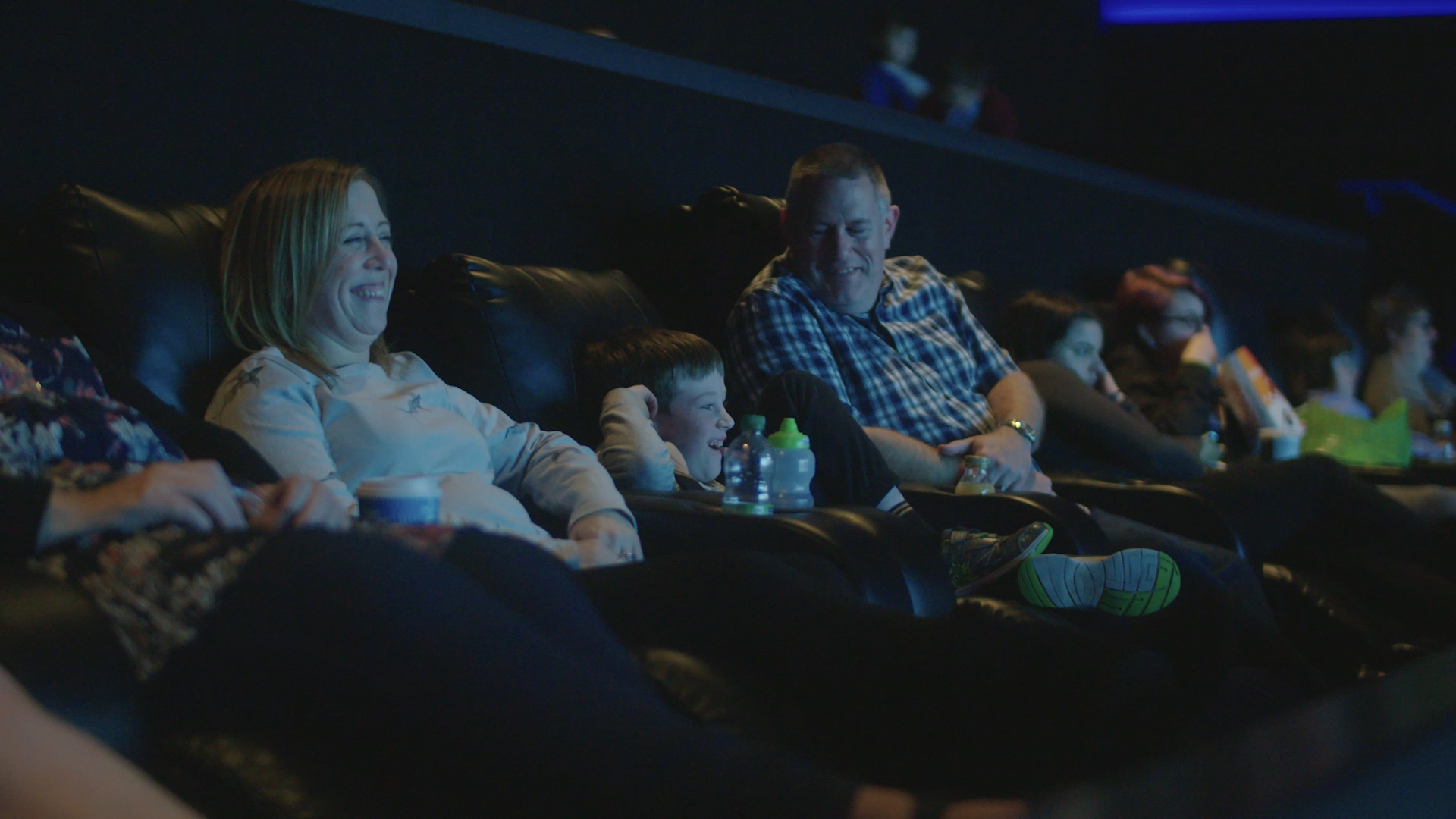
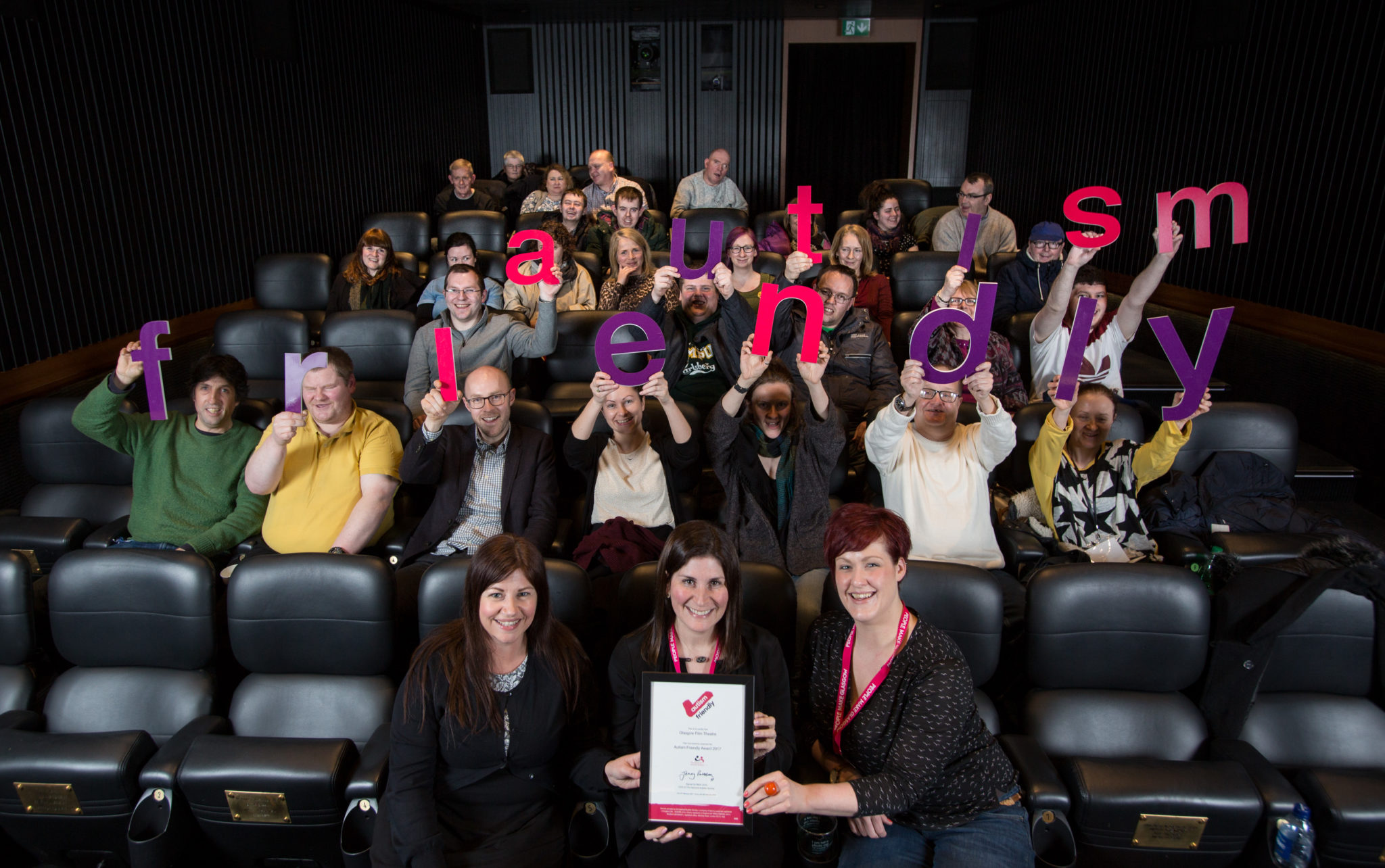
Research by Dimensions found that 90% of guests to autism friendly cinema screenings would feel safe going back to the cinema, with safety measures in place. Previous research has found that the autism friendly screenings are sometimes the only [quoted] “normal” activity people and families with autism can do together without fear of judgement. Autism friendly screenings are a safe space for people and families with autism, there isn’t fear of judgment and it’s an experience they can share with and talk about with friends and loved ones.

Going to autism friendly screenings was a routine for some guests, and routine can be very important for people with autism. Lockdown changed day-to-day life significantly so being able to go back to the cinema will offer some normalcy and respite.

Independent cinemas that are able to provide screenings are encouraged to support these audiences.

Dimensions created guidance and key messages to help exhibitors to adjust screenings to keep providing autism-friendly cinema to customers throughout covid.

***

Back in 2011, Dimensions and the UK Cinema Association joined forces to help introduce regular autism-friendly screenings to the UK, developing the work begun by Picturehouse in collaboration with National Autistic Society (NAS) in 2009.

ODEON was one of the first UK cinema companies to roll out the delivery of autism-friendly screenings, in 40 sites across the country. Over 3,000 guests attended those screenings, since which time they have grown tremendously in terms of availability and popularity.

2016 marked the fifth anniversary of national autism-friendly screenings in the UK. In those first five years, there were 280,000 visits to 200 screenings across 300 sites operated by ODEON, Cineworld, Vue and Showcase Cinemas, with many more independent cinemas picking up the mantle and running regular programmes of their own.

With five national cinema chains, and a number of independent exhibitors, now partnering with Dimensions and committed to high quality, regular screenings, cinema is becoming increasingly accessible for guests with sensory sensitivity. Through this training, we aim to support more cinemas in the delivery of autism- friendly screenings.

The UK Cinema Association, supported by Dimensions and the BFI Film Audience Network, have produced this guide on how best to deliver and promote autism- friendly screenings at your cinemas. We hope you find it useful and it inspires you to consider putting on your own autism-friendly screenings.

Whilst this guide predominantly focuses on autism – and screenings are therefore referred to as autism-friendly screenings (AFS) – we know many cinemas use the terms ‘relaxed’ or ‘sensory friendly’. Whatever the name used, such screenings can benefit anyone who finds standard screenings overwhelming.

People with a broad range of cognitive conditions can look at what these screenings do differently to see if they might be of benefit to them.

Access the guide, along with further resources in the downloads section.

Autism-friendly screenings training video

In 2018 we asked our network members to tell us how inclusive they felt their cinemas were and what they’d like to do to increase access to their film programmes. 70% felt that more training could help.

The BFI Diversity Standard encourages exhibitors to offer inclusive cinema programmes – inclusion for those with additional needs, as well as for those who may feel culturally excluded.

Lots of us have fears and are aware of the barriers that stand in our way when we try to develop diverse audiences, but we don’t often get the time to consider our options, talk to peers and come up with solutions and ideas to improve what we offer.

FAN delivers training in Inclusive Cinema to our membership, through face-to-face workshops, resources such as this, 121 consultancy, and industry conferences like This Way Up. See us at major independent cinema events, such as Slate Days and Screening Days. The ICO, UKCA and other organisations that specialise in accessibility and diversity also have regular programmes of training to support exhibitors looking to grow their diverse audiences.

Training providers

FAN’s regional film hubs – links on the funding page
Independent Cinema Office (ICO)
Cinema for All
Into Film
UK Cinema Association (UKCA)
Centre for Accessible Environments – accessibility
Arts Marketing Association – audience development incl. Diversity Academy
Audience Agency – audience development
The Other Box – bias, diversity and inclusion training
BRAP – diversity and inclusion training
A&IM – Access and Inclusivity Matters
Sunsurfer – equality, disability and mental health training
The Diversity Trust – equality, diversity and inclusion training
Shape Arts – disability equality training
DASH – accessible marketing and disability equality training
Equality and Diversity UK
ACAS – equality, mediation and management training
Zebra Uno – Deaf awareness and sign language training
RNID – Deaf awareness
Royal Deaf – Deaf awareness
Remark! – Deaf awareness
Deafinitely Theatre – Deaf awareness
BIFA – Equality, Diversity and Inclusion Training
Amiokaa – equality, diversity & inclusion training
Diverse Matters – equality, diversity and inclusion training

For filmmakers, BFI Network offers a full list of funders and training providers for filmmakers and production roles.