The Ultimate Guide to Closed Captioning
Whether you already caption, aren’t sure if you need to caption, or are completely new to closed captioning, you’ll find something to learn in this guide.



Whether you already caption, aren’t sure if you need to caption, or are completely new to closed captioning, you’ll find something to learn in this guide.
Subtitles are something that many of us don’t even take notice of but their importance should not be underrated. Here we take a look at what subtitles are, where they are most used and how they are made.
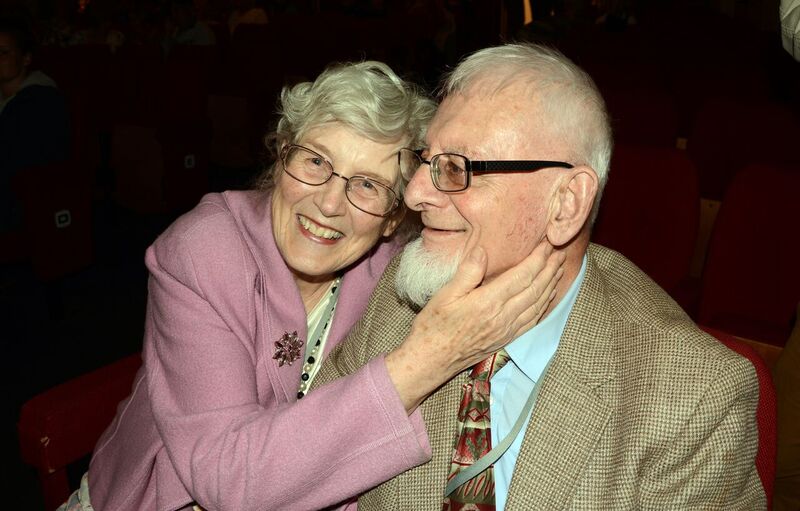
Project overview Why the project matters Matinée provides dementia friendly cinema screenings across Derbyshire for people living with memory challenges, their family and friends. People with a dementia are ‘at higher risk of social isolation through a loss of social networks/ social support… Social isolation… has been associated with the risk of developing dementia.” Reducing … More
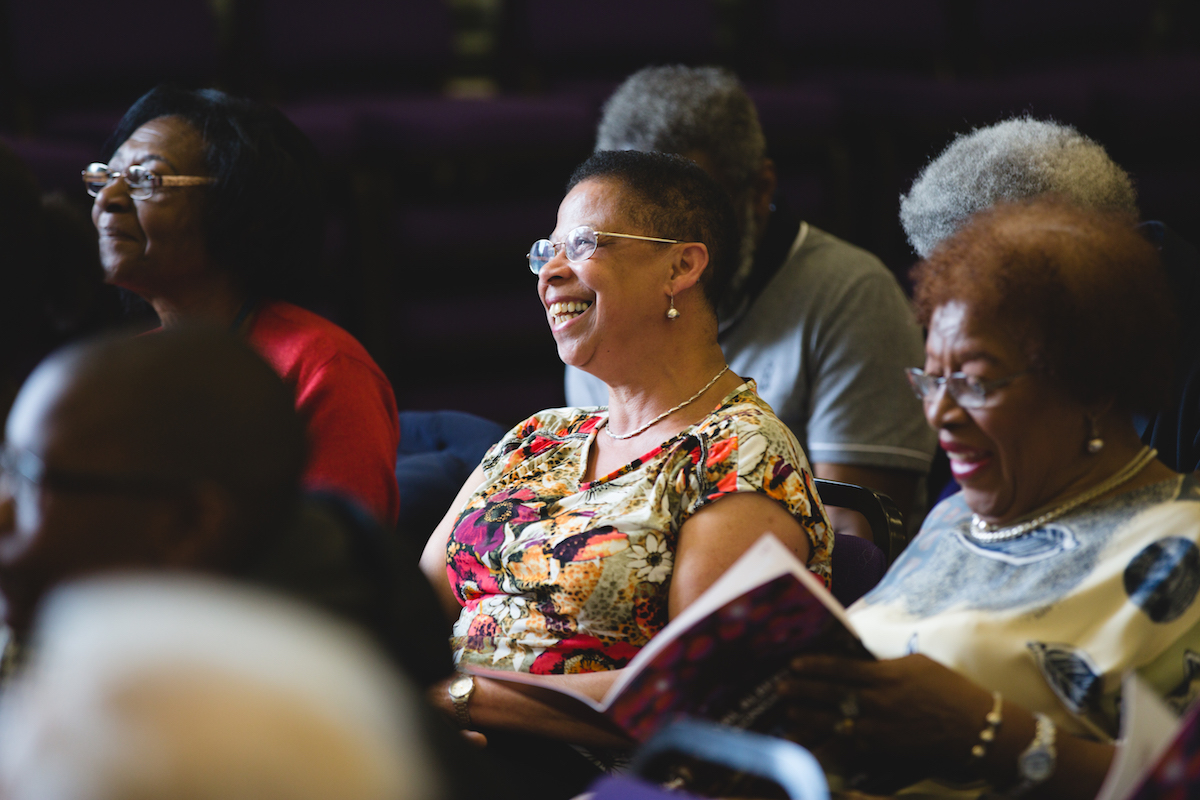
Opening Our Doors was a day of workshops and talks developed by Film Hub Wales, aimed at highlighting inclusivity and equality in film exhibition. The event was aimed at exhibitors seeking to capacity build within their own cinemas. It was a tailor-made day of workshops, case studies and discussions by experts and FAN members for FAN members aimed to boost exhibitor confidence in being more inclusive.
Working closely with Film Hub Scotland, and forming part of their Amplify programme, an Opening our Doors day was delivered in January 2019 to support members of the network in understanding and engaging with diverse communities including low-income, BAME, and disabled groups. The event also referenced programming, and marketing for diverse audiences.
The BFI diversity standards task exhibitors with supporting better inclusion in cinema, such as inclusion for those with additional needs and for those who might feel culturally excluded.
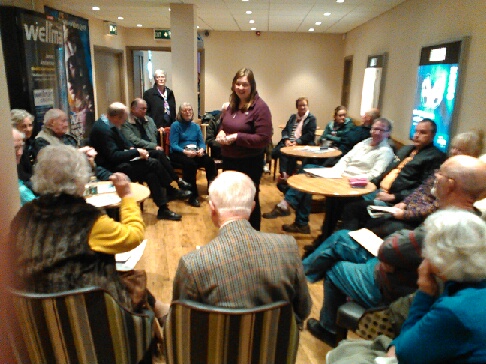
Many of us know about the barriers that are in front of us when we talk about building diverse audiences. We don’t really get the time to consider and talk about our options, our fears, talk to our peers and come up with solutions to improve what we offer.

Mental wellbeing is an extremely important issue with young people, and film can be a wonderful tool for helping them explore their feelings and broach difficult subjects. Thought-provoking films can allow young people to discuss the many difficult and complex issues associated with mental wellbeing in an accessible way. Using film can help develop emotional … More
The UK cinema sector is recognised as a world-leader in terms of its work to support and welcome disabled cinema-goers. Many of the changes made by UK cinema operators in this regard pre-empted and indeed went further than the requirements placed on cinemas, and others providing goods, facilities or services to the public, by the … More
Dimensions provide free national autism friendly training for all cinemas across the country. They also partner directly with ODEON, Cineworld, Vue, Showcase and Picturehouse to host autism-friendly screenings at over 350 cinemas nationwide. On Sunday mornings throughout the month, films suitable for all audiences are screened in a sensory friendly and inclusive environment.
One in a hundred people in the UK have autism. That’s enough to fill Wembley Stadium nearly eight times over. That’s a fact. But there are an equal number of myths surrounding autism that are, frankly, unhelpful. Ambitious About Autism dispel some of the biggest myths and give you the lowdown on all the stats … More
Taking steps to make your venue more accessible is beneficial to everyone – from shops trying to increase sales to attractions aiming to increase footfall; and from wheelchair users to young parents out and about with prams. Here are some top tips for making your venue as accessible to as many people as possible.
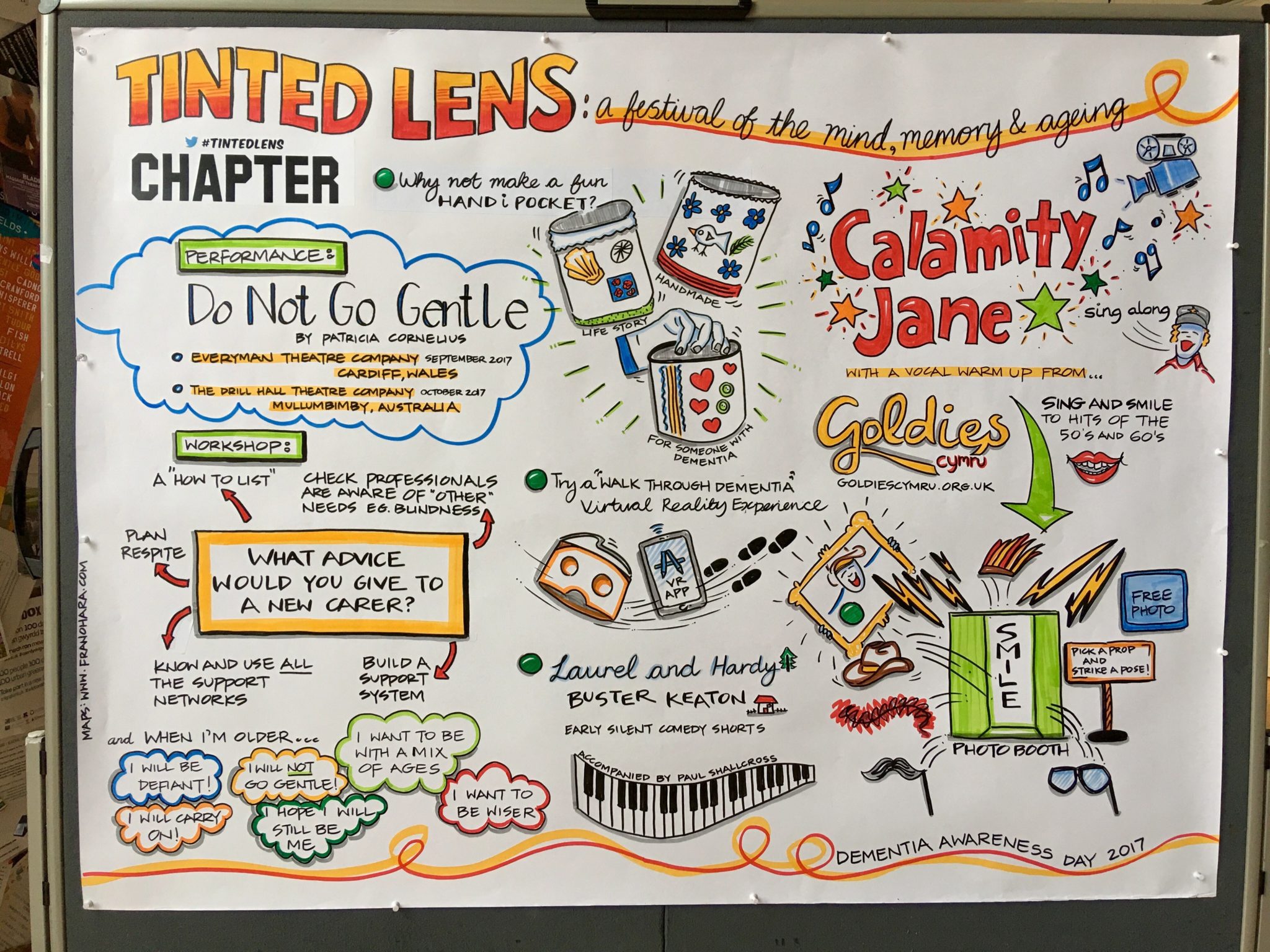
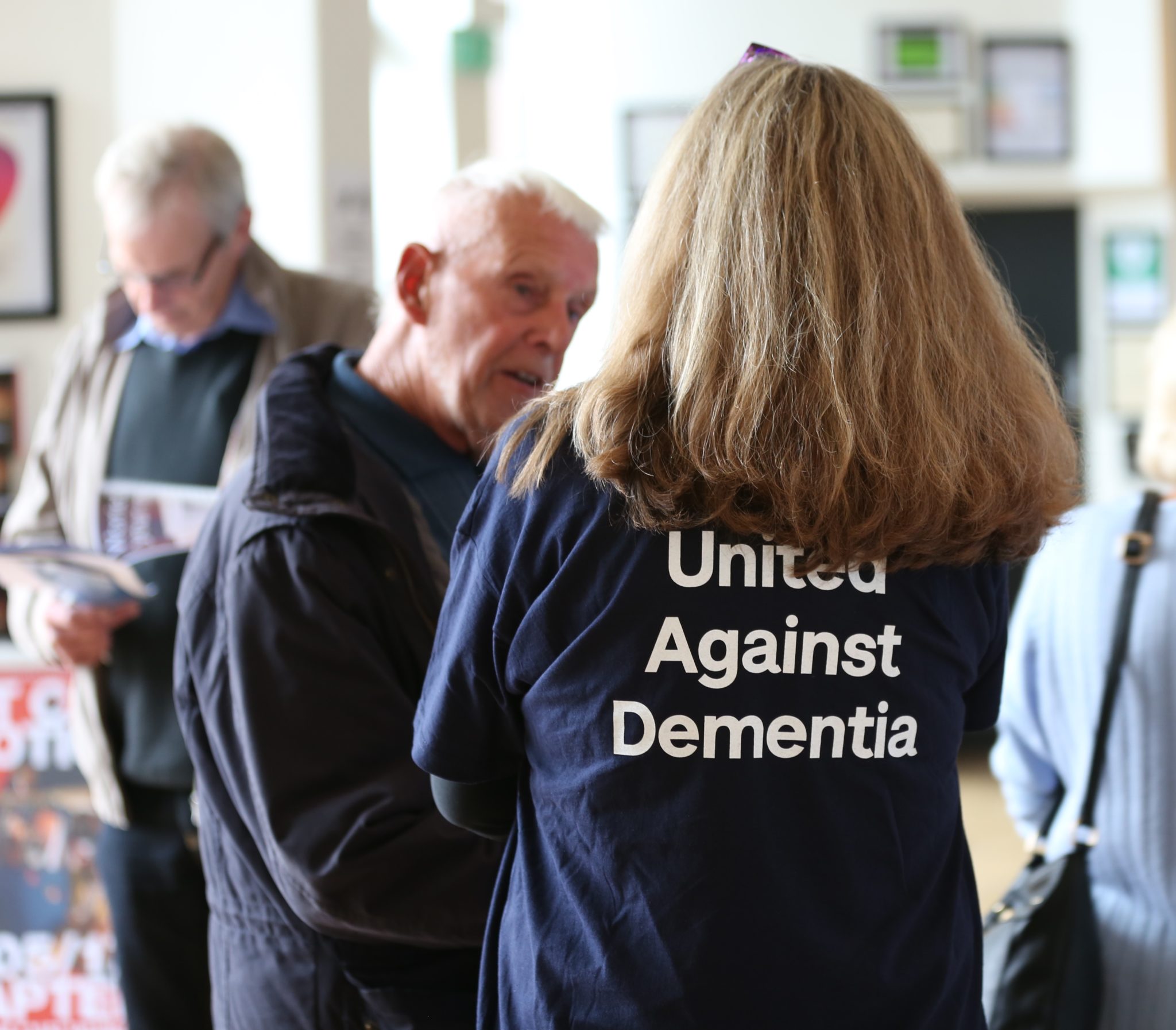
People affected by dementia often have to give up the things they love due to inaccessible and unsupportive environments. This includes visiting a cinema.
Cinemas have an important part to play in tackling the social and economic impact of dementia, by allowing people living with dementia to continue to participate in entertainment. Our new cinema guide, produced in collaboration with Alzheimer’s Society and UK Cinema Association, is designed to help cinemas improve their accessibility and become more dementia-friendly.
People living with dementia should be able to live the life they want to lead in their communities, irrespective of their condition. This will only be achieved with greater awareness, understanding, and support for those impacted by dementia. Becoming a dementia-friendly organisation means providing the opportunities to help every person with dementia continue to do the things they want to do and cinemas are central to this aim.
From your first family trip to the big screen to seeing the latest blockbusters with friends as a teenager, film is an immersive experience which can leave a profound and lasting impact on an individual. It can promote activity and stimulation of the mind; be an important tool for reminiscence, and is often associated with relaxation, engagement and, above all, enjoyment. By developing an understanding of dementia, cinemas can make a huge difference to people living with dementia.
This guide gives best practice advice on how to run dementia-friendly screenings and shares successful case studies from organisations already running. It aims to spread awareness of dementia-friendly screenings and encourages cinemas of all sizes to get involved.
We have also prepared a dementia friendly survey to assist with gathering data at your screenings.
Access the guide, along with further resources in the downloads section.